535 East Meadow Ave, East Meadow, NY 11554

Apoquel Dosing for Dogs: Reading the Dose Chart and Spotting Side Effects

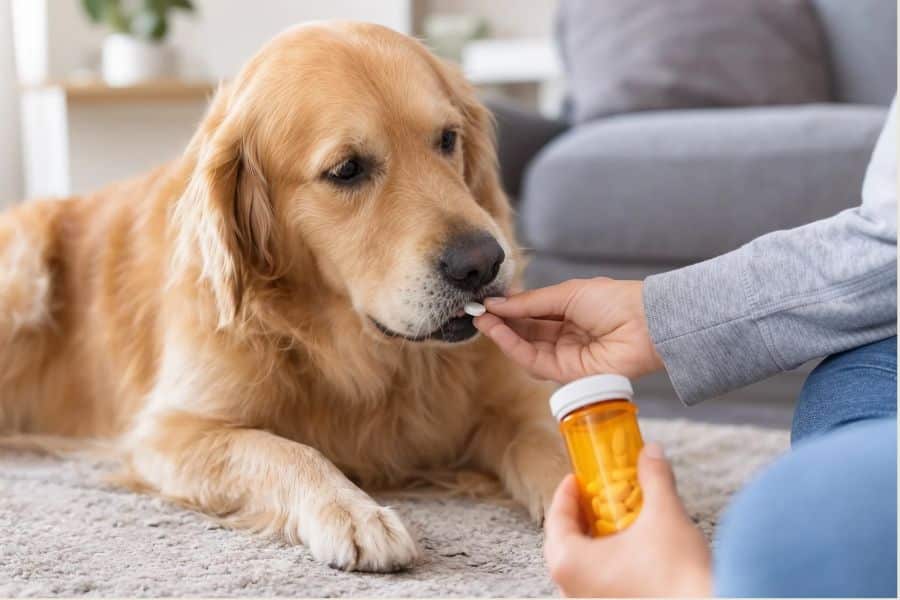
A constantly scratching dog can turn everyday activities into an uncomfortable experience. Apoquel is a commonly prescribed medication that helps control allergic itching and inflammation in dogs. Understanding the correct Apoquel dosage for dogs, how to interpret the weight-based dosing chart, and which side effects deserve attention can help pet parents make informed treatment decisions. This guide explains tablet strengths, dosing frequency, missed doses, long-term use, possible reactions, and safety precautions. It also explores when professional evaluation is important, since controlling itching involves identifying its underlying cause rather than simply suppressing symptoms.
What Is Apoquel and How Does It Help Dogs?
Apoquel, containing the active ingredient oclacitinib, is a prescription medication used to control itching associated with allergic dermatitis and atopic dermatitis in dogs aged 12 months or older.
Unlike traditional antihistamines, Apoquel works by inhibiting specific enzymes called Janus kinases (JAKs). These enzymes participate in signaling pathways involved in inflammation and itching.
By interrupting certain signals, Apoquel helps reduce:
-
Persistent scratching and licking.
-
Redness and skin irritation.
-
Inflammation associated with allergic reactions.
-
Discomfort caused by environmental allergies.
Apoquel manages symptoms; it does not eliminate the underlying allergy.
Apoquel Dosage for Dogs: Understanding the Dose Chart
The recommended Apoquel dosage is based on body weight, not breed or age alone. The standard labeled dose is 0.4–0.6 mg/kg (0.18–0.27 mg/lb).
Apoquel Dosing Chart by Weight
The following manufacturer dosing guide illustrates tablet quantities for different weight ranges.
| Dog’s weight | 3.6 mg tablets | 5.4 mg tablets | 16 mg tablets |
|---|---|---|---|
| 6.6–9.9 lb | ½ | — | — |
| 10–14.9 lb | — | ½ | — |
| 15–19.9 lb | 1 | — | — |
| 20–29.9 lb | — | 1 | — |
| 30–44.9 lb | — | — | ½ |
| 45–53.9 lb | ½ | — | ½ |
| 54–59.9 lb | — | ½ | ½ |
| 60–89.9 lb | — | — | 1 |
| 90–129.9 lb | — | — | 1½ |
| 130–175.9 lb | — | — | 2 |
Important: This chart is a reference, not an individual prescription. Your dog’s veterinarian must confirm the appropriate tablet combination and schedule. Never calculate or change doses independently.
How Often Should You Give Apoquel?
The approved dosing schedule has two stages:
-
Initial treatment: Twice daily for up to 14 days.
-
Maintenance treatment: Once daily after the initial treatment period.
The tablet can be administered with or without food. Apoquel tablets and chewable tablets follow the same dosing schedule.
The reduced maintenance frequency helps manage recurring allergic symptoms. The duration of treatment depends on your dog’s condition, response, and individual health risks.
Can You Split Apoquel Tablets?
Apoquel tablets are scored for splitting into halves. Quartering is not recommended because accurate medication distribution cannot be guaranteed. Avoid improvising smaller doses when your dog falls between weight categories.
Common Apoquel Side Effects in Dogs
Apoquel can provide significant itch relief, but understanding possible adverse reactions is essential. Some dogs experience mild digestive changes, while others may develop health complications requiring attention.
1. Vomiting and Diarrhea
Vomiting and diarrhea are among the commonly reported reactions. Watch for repeated episodes, blood in the stool, dehydration, or worsening digestive discomfort. Contact your veterinarian if symptoms persist.
2. Reduced Appetite
Some dogs may become less interested in food after starting treatment. Monitor eating habits, water consumption, and energy levels. Persistent appetite loss deserves professional evaluation.
3. Lethargy
Unusual tiredness or reduced activity can occur. A dog that sleeps more than usual, avoids normal activities, or appears unusually weak should be assessed.
4. Skin Infections and Lumps
Apoquel affects immune system activity, potentially increasing susceptibility to infections, including demodicosis. New skin lumps or unusual growths should never be dismissed as ordinary medication reactions.
5. Changes in Bloodwork
Some dogs may experience changes in certain blood cell counts or other laboratory measurements. Periodic monitoring can help identify concerns during extended treatment.
Serious Apoquel Side Effects: When Should You Worry?
Apoquel is not suitable for every dog. Its immune-modulating action requires particular attention to existing infections and certain health conditions.
Contact a veterinarian promptly if your dog develops:
-
Persistent vomiting or diarrhea.
-
Severe weakness or unusual lethargy.
-
New skin infections, sores, or worsening irritation.
-
Unexplained lumps or growths.
-
Significant appetite loss.
-
Signs of a worsening existing illness.
Breathing difficulty, collapse, or facial swelling requires emergency attention.
The FDA-approved prescribing information reports new benign and malignant neoplastic conditions during clinical studies and post-approval use. This does not establish that Apoquel directly causes cancer. Dogs with a history of cancer or recurrent infections need an individualized risk-benefit assessment.
Can Dogs Take Apoquel Long-Term?
Some dogs require ongoing treatment to control chronic allergic dermatitis. Long-term Apoquel use should involve regular reassessment rather than automatic prescription renewals.
Monitoring may include:
-
Reviewing skin condition and itching frequency.
-
Checking for recurring infections.
-
Evaluating appetite, weight, and general behavior.
-
Performing bloodwork when clinically appropriate.
-
Reassessing whether continued treatment remains beneficial.
Dogs younger than 12 months, those with serious infections, and breeding, pregnant, or lactating dogs should not receive Apoquel under its US prescribing information. Dogs with previous cancers, recurrent infections, or demodicosis require careful assessment.
What Happens If Your Dog Misses an Apoquel Dose?
A missed dose can disrupt the treatment schedule, but doubling the next dose is not a safe solution.
Contact your prescribing veterinarian for instructions based on the prescribed schedule and timing. Keep a consistent medication routine and use a written log or reminder to prevent accidental repeat dosing.
Never give extra tablets to compensate for a missed administration.
Is Apoquel Better Than Benadryl for Dog Allergies?
Apoquel and Benadryl are different medications with different uses. Apoquel specifically targets certain itch-related signaling pathways and is approved for allergic dermatitis in eligible dogs.
Benadryl (diphenhydramine) is an antihistamine sometimes recommended for selected allergic reactions. Its effectiveness against chronic allergic skin disease can be limited.
Neither medication should be substituted for the other without professional guidance. The right treatment depends on allergy triggers, symptom severity, medical history, and other medications.
Why Does Your Dog Still Itch While Taking Apoquel?
Persistent itching does not automatically mean the medication has stopped working. Fleas, mites, bacterial infections, yeast overgrowth, and food allergies can contribute to continuing discomfort.
Identifying these triggers is important for lasting improvement. Comprehensive veterinary dermatology care can help investigate skin problems, assess treatment response, and guide appropriate allergy management.
Help Your Dog Find Lasting Relief From Itching
Apoquel can make life more comfortable for dogs struggling with persistent allergic itching. Correct dosing, careful observation, and appropriate follow-up are essential for responsible treatment. Never adjust medication quantities or ignore unusual symptoms.
If your dog experiences recurring itching, skin irritation, or possible Apoquel side effects, professional guidance can help determine the next step. Book an appointment to discuss your dog’s skin health, medication needs, and an appropriate allergy management plan.
Frequently Asked Questions(FAQs):
1. How quickly does Apoquel start working in dogs?
A: Apoquel can begin reducing itching within hours, with some dogs showing improvement in as little as four hours. Individual responses vary depending on allergy severity, underlying skin conditions, and overall health.
2. Can I give my dog Apoquel twice a day?
A: Yes. The labeled initial schedule is twice daily for up to 14 days, followed by once-daily maintenance. Your veterinarian should confirm the schedule and tablet strength appropriate for your dog’s weight.
3. Can Apoquel cause weight gain in dogs?
A: Weight gain is not among the most commonly reported reactions in the prescribing information. Changes in appetite or activity should be monitored, particularly during prolonged treatment or when other medications are involved.
4. Is Apoquel safe for dogs with sensitive stomachs?
A: Some dogs experience vomiting or diarrhea while taking Apoquel. A history of digestive sensitivity should be discussed before treatment. Your veterinarian can assess potential risks and recommend appropriate monitoring.
5. Can dogs stop taking Apoquel suddenly?
A: Apoquel can generally be discontinued without tapering according to manufacturer guidance. However, itching may return when treatment stops. Discuss discontinuation with your veterinarian to determine an appropriate allergy management plan.
6. Does Apoquel treat the actual cause of dog allergies?
A: No. Apoquel controls itching and inflammation associated with allergic skin conditions but does not remove the underlying trigger. Identifying fleas, food sensitivities, environmental allergens, or infections remains important.