535 East Meadow Ave, East Meadow, NY 11554
Common Myths About Dogs Eating Tomatoes

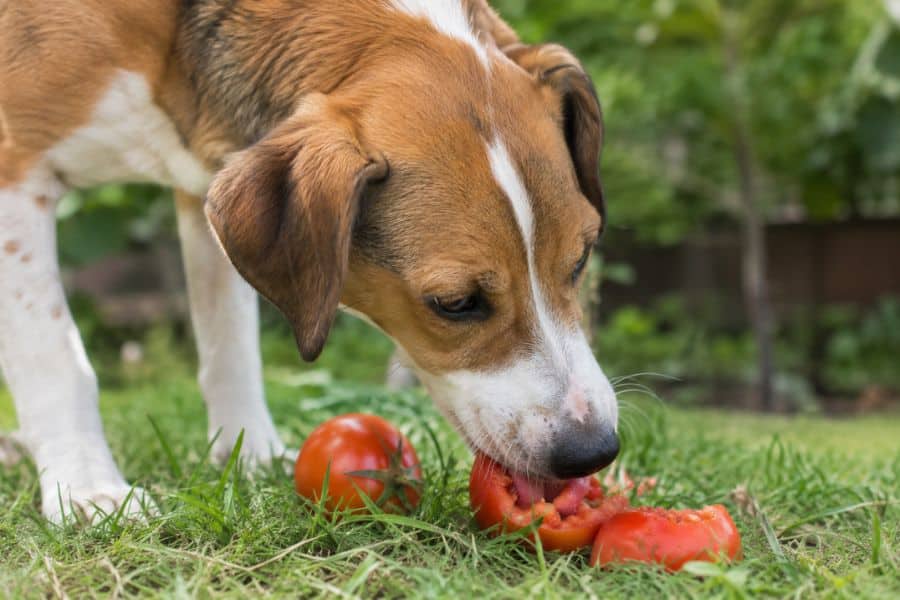
Tomatoes create confusion for dog owners: some people call them toxic, others serve them as healthy treats. The truth depends on ripeness, quantity, plant parts, and your dog’s individual response. Ripe, red tomato flesh is generally considered safe in small portions. Green tomatoes, stems, leaves, and large amounts deserve more caution.
This guide separates fact from fiction, explains poisoning risks, lists symptoms, answers common feeding questions, and shows how to offer tomatoes responsibly.
Myth 1: All Tomatoes Are Toxic to Dogs
This claim is too broad. A ripe red tomato contains much lower levels of solanine and tomatine than unripe fruit and plant parts. Small pieces of ripe tomato are usually tolerated by healthy dogs.
A ripe grocery-store tomato differs from green tomatoes, leaves, stems, and vines. Risk changes with the part consumed and the amount eaten.
Myth 2: Green Tomatoes Are Just as Safe
Unripe green tomatoes contain higher concentrations of tomatine than ripe tomatoes. A small accidental bite may not cause a serious problem in a healthy dog, but eating a larger quantity can create gastrointestinal or neurological concerns.
Green tomatoes should not be routine treats at home. Keep tomato plants away from dogs that chew garden foliage.
Myth 3: Tomato Leaves and Stems Are Harmless
Leaves, stems, and vines are not appropriate foods for dogs. These green plant parts contain more of the compounds associated with tomato toxicity than ripe fruit.
A dog chewing garden plants may consume more than an owner realizes. Watch for drooling, vomiting, diarrhea, weakness, sleepiness, tremors, or coordination changes. Contact a professional if symptoms appear or a substantial amount was eaten.
Myth 4: A Whole Tomato Is a Healthy Treat
A whole tomato is not an ideal serving size. Tomatoes contain water, fiber, vitamins, and antioxidants, but dogs do not need them nutritionally.
Treat tomatoes as an occasional food, not a meal replacement. Wash the tomato, remove the stem and leaves, cut the ripe flesh into small pieces, and offer a modest amount. Your dog’s size, diet, age, and digestive sensitivity matter when introducing a new food.
Myth 5: Tomato Sauce Is the Same as Fresh Tomato
Tomato sauce can contain unsuitable ingredients. Onion, garlic, excessive salt, spicy seasonings, butter, and rich oils can create problems even when the tomato itself is not the concern.
Read the ingredient label before sharing human food. Plain ripe tomato is easier to assess than processed sauces, soups, pizza toppings, or seasoned dishes. A simple ingredient list makes portion control easier.
Myth 6: Dogs Always Show Symptoms After Eating Something Harmful
No. Some dogs may show obvious signs, while others may have mild or delayed symptoms. The absence of symptoms does not prove that an exposure was harmless.
Possible signs include vomiting, diarrhea, drooling, reduced appetite, weakness, confusion, tremors, or abnormal heart rate. Severe signs require urgent attention. Do not induce vomiting unless a professional specifically tells you to do so.
How Much Tomato Can Dogs Eat?
There is no universal serving amount for every dog. A small dog needs less than a large dog. Start with one or two pieces of ripe tomato. Observe your dog for digestive changes.
Treats should remain limited. Dogs with sensitive stomachs may react to foods other dogs tolerate. Tomatoes should never replace a complete, balanced diet.
Can Puppies Eat Tomatoes?
Puppies have developing digestive systems and specific nutritional needs. A tiny piece of ripe tomato may be tolerated, but new foods can complicate feeding routines.
Puppy meals should center on a complete diet designed for growth. Ask about veterinary care if your puppy has dietary restrictions, recurring stomach upset, or an unusual reaction after trying tomato.
What Should You Do If Your Dog Eats a Green Tomato?
Find out what was eaten, how much, and whether leaves or stems were involved. Remove access to the plant. Note your dog’s size and symptoms.
Do not rely on internet myths to judge an exposure. A professional can assess the situation using the amount, plant material, timing, and your dog’s condition. Seek urgent help for severe weakness, tremors, breathing difficulty, collapse, or significant changes in behavior.
The Tomato Myth, Settled
Dogs can eat ripe tomatoes in small quantities, but “tomatoes are safe” is incomplete advice. Ripe flesh and green plant material are not equivalent. Plain tomato and seasoned tomato products are not equivalent either.
Responsible feeding means choosing ripe red flesh, removing plant parts, controlling portions, skipping heavily seasoned products, and watching your dog after introducing unfamiliar food. When exposure involves green tomatoes, leaves, stems, or concerning symptoms, professional guidance is the safer choice.
Frequently Asked Questions(FAQs):
1. Can dogs eat red tomatoes?
A: Yes. Most healthy dogs can eat small amounts of ripe, red tomato flesh. Remove stems and leaves, cut the fruit into manageable pieces, and monitor for digestive upset after introducing this occasional treat.
2. Are green tomatoes poisonous to dogs?
A: Green tomatoes contain higher levels of compounds that can cause problems when consumed in larger amounts. A small bite may not cause illness, but green tomatoes and tomato plants should not be routine dog foods.
3. Can dogs eat tomato sauce?
A: Plain tomato sauce may be acceptable only when it contains dog-safe ingredients. Many sauces contain onion, garlic, salt, spices, or rich fats. Check the label before offering any prepared tomato product.
4. What are signs of tomato poisoning in dogs?
A: Possible signs include vomiting, diarrhea, drooling, weakness, unusual sleepiness, confusion, tremors, and coordination changes. Symptoms can vary with the amount and plant part consumed. Significant or severe signs warrant prompt professional attention.
5. Can puppies eat ripe tomatoes?
A: A puppy may tolerate a tiny amount of ripe tomato, but puppies need nutritionally complete food for growth. New treats should be introduced carefully. Ask a professional if your puppy has digestive problems or dietary restrictions.
6. What should I do if my dog ate tomato leaves?
A: Remove access to the plant and determine how much your dog consumed. Monitor closely for abnormal signs. Contact a professional for guidance, especially after a substantial ingestion or if symptoms develop.
Related Articles