535 East Meadow Ave, East Meadow, NY 11554

How Good Oral Care Helps Your Dog or Cat Live a Healthier, Happier Life

Your pet’s mouth plays a much bigger role in overall health than many owners realize. Good oral care does more than keep breath fresh. It helps prevent pain, supports proper eating habits, reduces the risk of disease, and improves quality of life. Dogs and cats can develop dental problems that affect their teeth, gums, and even major organs if left untreated.
This guide explains why pet dental care matters, common oral health issues, warning signs to watch for, daily prevention tips, professional treatment options, and ways to keep your companion comfortable throughout life.
Why Oral Health Matters for Pets
Many pet owners focus on nutrition, exercise, and routine wellness visits. Dental health is often overlooked until a noticeable problem develops.
Plaque begins forming on teeth shortly after eating. Over time, plaque hardens into tartar. This buildup creates an environment where bacteria thrive. The bacteria can irritate gum tissue, leading to inflammation and infection.
Poor oral health may contribute to:
- Bad breath
- Pain while eating
- Tooth loss
- Gum disease
- Difficulty chewing
- Reduced appetite
- Systemic health complications
A healthy mouth supports a healthier body. Maintaining good oral hygiene helps pets remain active, comfortable, and engaged in daily life.
Common Dental Problems in Dogs and Cats
1. Periodontal Disease
Periodontal disease is one of the most common health conditions seen in pets. It begins with plaque accumulation and progresses to infection around the teeth and gums.
Without treatment, the condition can damage supporting tissues and lead to tooth loss.
2. Gingivitis
Gingivitis refers to inflammation of the gums. Early signs include redness, swelling, and sensitivity. This stage is often reversible when addressed promptly.
3. Broken or Fractured Teeth
Pets frequently chew on toys, bones, sticks, and hard objects. These activities can sometimes cause fractured teeth, exposing sensitive inner structures, and causing discomfort.
4. Tooth Resorption in Cats
Many cats develop tooth resorption, a painful condition where parts of the tooth gradually break down. Early detection is important for comfort and treatment success.
Signs Your Pet May Have Dental Problems
Dental disease often develops gradually. Pets can hide discomfort surprisingly well.
Watch for these common symptoms:
- Persistent bad breath
- Red or swollen gums
- Yellow or brown tartar buildup
- Drooling more than usual
- Difficulty eating
- Pawing at the mouth
- Loose or missing teeth
- Bleeding gums
- Reduced interest in food
- Changes in behavior
If your pet shows any of these signs, scheduling an evaluation can help identify issues before they become more serious.
How Oral Health Affects the Entire Body
The mouth is connected to the rest of the body. Harmful bacteria from dental disease may enter the bloodstream and travel to important organs.
Research has shown links between severe dental disease and health concerns involving:
- The heart
- The liver
- The kidneys
Chronic inflammation can also affect overall well-being. Pets experiencing oral pain may become less active, less playful, and less interested in social interaction.
Protecting oral health is an important part of long-term preventive care.
Benefits of Regular Pet Dental Care
Consistent dental care offers many advantages beyond cleaner teeth.
1. Fresher Breath
One of the first benefits owners notice is improved breath. Bad breath is often a sign of bacterial buildup rather than a normal part of pet ownership.
2. Improved Comfort
Healthy gums and teeth help pets eat, chew, and play comfortably.
3. Better Quality of Life
Pets free from oral pain tend to maintain healthier eating habits and higher energy levels.
4. Lower Risk of Future Problems
Routine care helps identify concerns early, reducing the likelihood of advanced dental disease.
Daily Oral Care Tips for Dogs and Cats
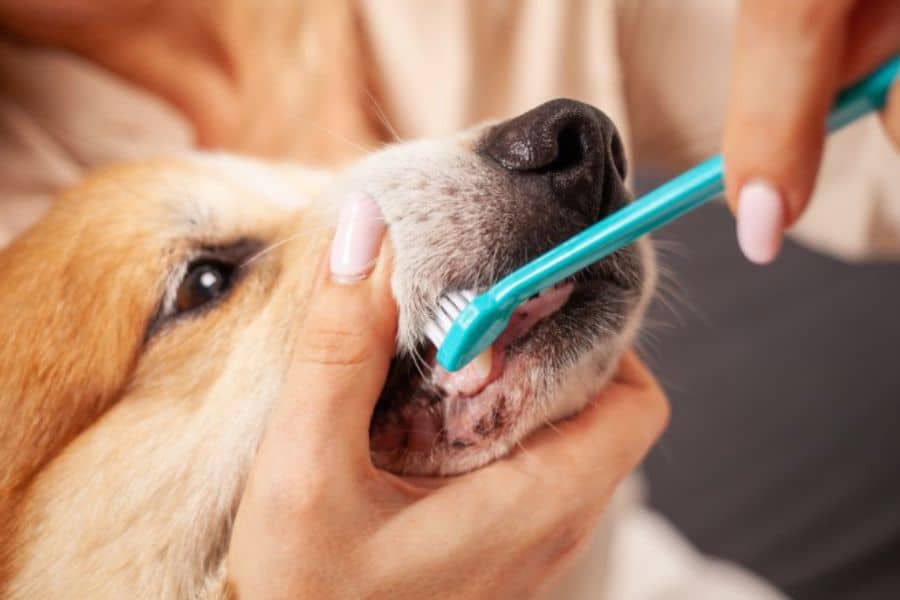
1. Brush Your Pet’s Teeth
Brushing remains the gold standard for maintaining pet oral health.
Use:
- Pet-specific toothpaste
- A pet toothbrush or finger brush
- Gentle, positive reinforcement
Human toothpaste should never be used because it contains ingredients that may be harmful to pets.
2. Offer Dental-Friendly Chews
Approved dental chews can help reduce plaque and tartar accumulation between professional cleanings.
3. Choose Oral Health Diets
Some specially formulated diets are designed to support dental hygiene by reducing plaque buildup during chewing.
4. Provide Safe Chew Toys
Appropriate chew toys help exercise the jaw and may contribute to cleaner teeth.
5. Schedule Regular Dental Assessments
Routine oral examinations allow dental concerns to be identified before they become severe.
Professional Dental Care: What to Expect
Even with excellent home care, professional cleanings remain important.
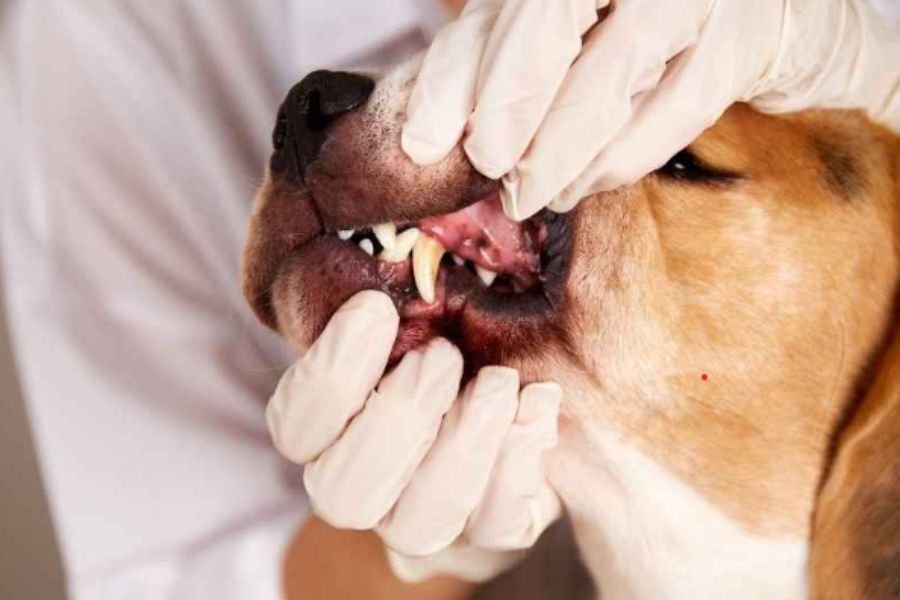
A dental examination typically includes:
- Oral health assessment
- Evaluation of gums and teeth
- Identification of damaged teeth
- Recommendations for treatment
Professional cleanings remove plaque and tartar from areas that brushing alone cannot reach.
If your pet develops symptoms such as bad breath, swollen gums, or difficulty eating, contact a veterinarian near you for timely guidance and care.
For comprehensive oral evaluations and preventive treatment, explore our pet dentistry services to help protect your pet’s long-term health.
Creating a Lifetime Dental Care Routine
Dental care works best when it becomes part of a consistent routine.
Start gradually:
- Introduce tooth brushing slowly.
- Reward positive behavior.
- Monitor the mouth regularly.
- Schedule routine examinations.
- Follow professional recommendations.
Small daily efforts can produce meaningful long-term benefits.
Conclusion
Good oral care is one of the simplest ways to support your dog’s or cat’s overall health. Healthy teeth and gums contribute to better comfort, fresher breath, improved eating habits, and a higher quality of life. Daily dental habits combined with professional care can help prevent painful conditions before they affect your pet’s well-being.
For pet families seeking trusted guidance and compassionate support, East Meadow Veterinary Center is committed to helping pets enjoy healthier smiles and happier lives. If you’re located in East Meadow, consider reaching out to East Meadow Veterinary Center, where compassionate care and community come together to support your pet’s long-term well-being.
Frequently Asked Questions(FAQs):
1. How often should I brush my pet’s teeth?
A: Daily brushing provides the greatest benefit. Even brushing several times each week can significantly reduce plaque accumulation and support healthier gums over time.
2. Is bad breath normal in dogs and cats?
A: No. Persistent bad breath often signals bacteria, plaque buildup, gum inflammation, or dental disease. A professional examination can help determine the underlying cause.
3. At what age should dental care begin?
A: Dental care should start early. Introducing brushing and oral health routines during puppyhood or kittenhood helps pets become comfortable with the process.
4. Can dental disease cause serious health problems?
A: Yes. Advanced dental disease may affect eating, comfort, and overall wellness. Bacteria associated with oral infections can potentially impact other organs.
5. Are dental treats enough to keep teeth healthy?
A: Dental treats can help reduce plaque. They should complement brushing, oral examinations, and professional dental care rather than replace them.
6. How often does my pet need a professional dental cleaning?
A: The frequency varies based on age, breed, health status, and oral condition. Many pets benefit from regular professional evaluations to determine appropriate cleaning schedules.
Related Articles