535 East Meadow Ave, East Meadow, NY 11554

Is Your Pet Having a Dental Crisis? Signs, Causes, and Next Steps

A dental problem can become serious when pain, bleeding, swelling, infection, or a damaged tooth affects your pet’s comfort. This guide explains warning signs, common causes, safe first steps, when professional attention is needed, and ways to support recovery. Clear action can prevent a painful mouth issue from becoming a larger health concern later.
If you are in East Meadow, knowing where to turn for prompt pet dental care can help you respond with confidence. Knowing what you can observe at home also helps you give accurate information when contacting a care team. A prompt check can identify hidden tooth damage, protect surrounding tissues, and prevent a small problem from becoming more painful.
What Counts as a Pet Dental Crisis?
A dental crisis is a sudden mouth problem causing significant pain, bleeding, swelling, difficulty eating, or visible tooth damage.
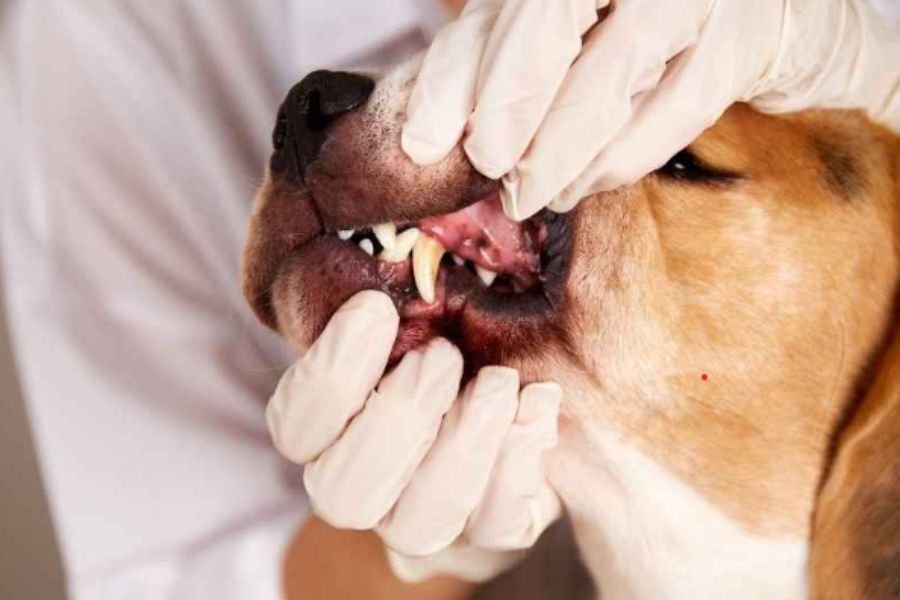
Watch your pet during meals and daily routines. A sudden change in chewing, dropping food, pawing at the mouth, hiding, drooling, or resisting face touches deserves attention.
Signs You Should Not Ignore
Look for:
- A cracked, broken, loose, or missing tooth
- Blood around the mouth or on toys
- Swollen gums, cheeks, or jaw
- Excessive drooling
- Bad breath that becomes unusually strong
- Trouble chewing or swallowing
- Refusal to eat or sudden appetite changes
- Whining, restlessness, or unusual irritability
- Facial swelling or discharge
- An object stuck in the mouth
A pet may hide pain. A calm appearance does not always mean the mouth is comfortable.
Common Causes of Sudden Dental Problems
Pets can develop painful dental issues for several reasons. Chewing hard objects, falling, playing roughly, or being struck can damage teeth. Untreated plaque and tartar can contribute to gum disease, loose teeth, and infection.
What Should You Do First?
Stay calm and keep your pet comfortable. Remove hard toys, bones, and treats that could increase irritation. Offer water. Avoid forcing the mouth open, pulling a loose tooth, or touching an injured area repeatedly.
Do not give human pain medicine unless a qualified professional specifically tells you to use it. Several common medications can be dangerous for pets.
If bleeding is mild, gently hold clean gauze against the area for a short period if your pet allows it safely. Persistent bleeding, major swelling, severe pain, breathing difficulty, or inability to eat requires prompt attention.
For guidance on sudden problems, learn more about urgent care for pets and keep your preferred animal care provider’s contact information accessible.
When Does a Pet Need Immediate Attention?
Seek prompt professional care when your pet has uncontrolled bleeding, severe facial swelling, significant trauma, a deeply broken tooth, intense pain, or trouble breathing or swallowing. A damaged tooth can expose sensitive inner tissue and allow bacteria to enter.
A loose tooth may need assessment, especially after an injury. Do not assume a missing tooth is harmless. The tooth may have broken beneath the gumline, leaving damaged tissue behind.
A professional can examine the mouth, identify the source of discomfort, and recommend treatment. Depending on the problem, care may include cleaning, medication, repair, extraction, or monitoring.
How Can You Prevent Future Dental Problems?
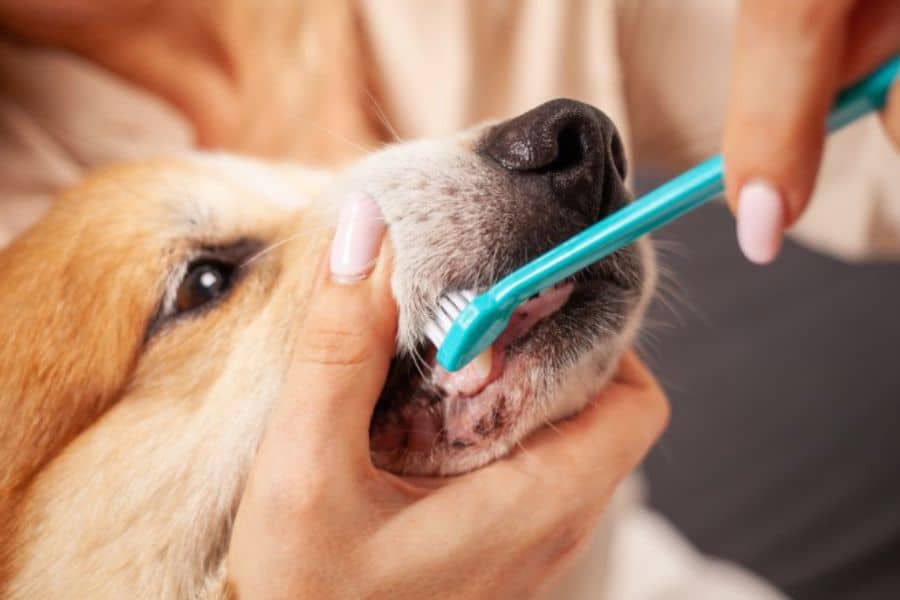
Daily dental care can reduce painful mouth problems. Use pet-safe toothpaste and a toothbrush designed for your pet. Introduce brushing gradually so the routine remains comfortable.
Regular mouth checks can help you notice changes before they become painful. Ask about suitable dental diets, chews, and preventive cleanings for your pet’s age and needs. Avoid extremely hard objects that can fracture teeth.
What Can Recovery Look Like?
Recovery depends on the cause and treatment. Your pet may need soft food, medication, rest, or temporary limits on chewing. Follow care instructions and watch for renewed swelling, bleeding, worsening odor, reduced appetite, or unusual behavior.
Keep medications and follow-up appointments organized, and give your pet time to return to normal eating and activity.
Conclusion: Protect Your Pet’s Comfort
Dental problems deserve attention when they cause pain, bleeding, swelling, damaged teeth, or eating difficulties. Recognizing signs early can reduce discomfort and help prevent complications. Keep dangerous chew items away, avoid unsafe medications, and seek professional guidance when symptoms are significant.
If you’re part of the local community, East Meadow Veterinary Center brings compassionate care and a community-focused approach together to support your pet’s well-being. For prompt help with urgent dental concerns, call us at: 516-743-9595.
Watching closely, acting promptly, and choosing professional care when needed can protect comfort and recovery.
Frequently Asked Questions(FAQs):
1. How do I know if my pet has a serious dental problem?
A: Look for bleeding, facial swelling, broken teeth, heavy drooling, difficulty eating, strong bad breath, or obvious pain. A sudden behavior change can signal mouth discomfort that deserves professional assessment.
2. Can a broken tooth heal on its own?
A: A broken tooth cannot repair itself like healthy skin. Damage may expose sensitive tissue and create infection risk. Your pet should receive an examination so the tooth can be evaluated and appropriate treatment discussed.
3. What can I give my pet for dental pain?
A: Do not give human pain relievers without professional guidance. Some can cause dangerous reactions in pets. A qualified provider can recommend a safe option based on your pet’s species, size, condition, and symptoms.
4. Is bad breath always a sign of dental disease?
A: Persistent or unusually strong bad breath can indicate plaque buildup, gum disease, infection, or another health issue. Occasional odor may occur, but a noticeable change should prompt a mouth check and professional advice.
5. Should I remove a loose tooth myself?
A: Do not pull a loose tooth at home. The tooth may be fractured below the gumline, and handling it can cause pain or bleeding. Professional assessment helps determine whether removal or another treatment is appropriate.
6. How can I prevent dental problems in my pet?
A: Brush your pet’s teeth with pet-safe products, schedule regular mouth checks, choose suitable dental products, and avoid extremely hard chew items. Early attention to plaque, gum changes, and damaged teeth supports long-term oral health.