535 East Meadow Ave, East Meadow, NY 11554
Top Vet-Recommended Treats for Overweight Pets

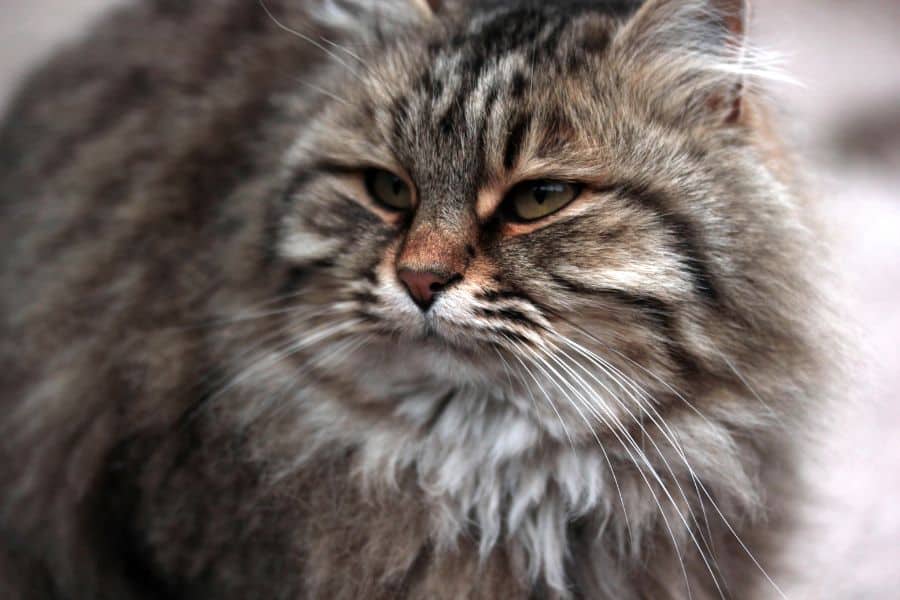
Many pets struggle with extra weight, and treats often play a bigger role than owners realize. The good news is that rewarding your pet does not have to interfere with weight management goals. Choosing healthy treats for overweight pets can help reduce unnecessary calories while still supporting positive behavior and enrichment.
This guide covers the best vet-recommended treats, ingredients to look for, foods to avoid, portion control strategies, and practical ways to keep your dog or cat satisfied. By making smarter treat choices and combining them with proper nutrition, you can help your pet maintain a healthier weight and enjoy a more active lifestyle.
Why Weight Management Matters for Pets
Carrying excess weight can affect nearly every aspect of a pet’s health. Overweight dogs and cats often experience reduced mobility, joint strain, lower energy levels, and increased risk of chronic conditions.
Treats may seem harmless, yet they can contribute a surprising number of calories throughout the day. Many commercial treats contain high levels of fat, sugar, and fillers that offer little nutritional value.
Healthy weight management focuses on balance. Pets still deserve rewards and special moments. The goal is finding options that support overall wellness rather than adding unnecessary calories.
What Makes a Treat Healthy for Overweight Pets?
Not all treats are created equally. When selecting low-calorie pet treats, look for these qualities:
- Low calorie content per serving
- High-quality ingredients
- Lean protein sources
- Limited additives and preservatives
- Appropriate portion sizes
- Nutritional benefits beyond taste
A healthy treat should complement your pet’s diet instead of competing with it.
Top Vet-Recommended Treats for Overweight Dogs
Fresh Vegetables
Many dogs enjoy crunchy vegetables as much as traditional treats.
Excellent options include:
- Green beans
- Carrots
- Cucumber slices
- Zucchini
- Celery
These vegetables are naturally low in calories and provide fiber that can help pets feel satisfied.
Small Pieces of Lean Meat
Cooked skinless chicken breast, turkey, or lean beef can make excellent rewards during training sessions.
Protein-rich treats help support muscle maintenance while limiting excess calories when served in moderation.
Freeze-Dried Single-Ingredient Treats
Freeze-dried treats made from one ingredient offer a simple option for weight-conscious pet owners.
Popular choices include:
- Chicken
- Turkey
- Salmon
- Whitefish
These treats contain fewer fillers and allow owners to monitor calorie intake more effectively.
Low-Calorie Commercial Dog Treats
Many manufacturers now produce treats specifically designed for weight management. Read labels carefully and compare calorie counts before purchasing.
Best Treats for Overweight Cats
Cats often require a different approach because many prefer protein-based snacks over vegetables.
1. Freeze-Dried Protein Treats
Freeze-dried chicken, turkey, or fish treats provide high protein content without excessive carbohydrates.
2. Small Portions of Cooked Meat
Tiny pieces of cooked chicken or turkey can serve as rewarding, low-calorie cat treats.
3. Catnip-Based Rewards
Some cats enjoy catnip toys or catnip-infused products as much as food rewards. This provides enrichment without adding calories.
4. Prescription Weight-Management Treats
Some pets benefit from specialized weight-control products recommended by professionals. Discuss suitable options during your pet’s routine wellness visit.
Treats You Should Avoid
Certain treats can quickly derail weight-loss efforts.
Avoid:
- High-fat table scraps
- Processed deli meats
- Sugary snacks
- Fried foods
- Excess cheese
- Large biscuits
- Treats with excessive fillers
Many human foods contain ingredients that contribute unnecessary calories and may upset your pet’s digestive system.
How Many Treats Are Too Many?
A common recommendation is that treats should make up no more than 10% of your pet’s daily calorie intake.
This guideline helps maintain nutritional balance while reducing the risk of unwanted weight gain.
Quick Portion Control Tips
- Break treats into smaller pieces
- Measure treats daily
- Use vegetables as rewards
- Reduce meal portions when needed
- Track all snacks given throughout the day
Consistency is often more important than the type of treat itself.
Creative Alternatives to Food Treats
Many pets enjoy rewards that are not food-based.
Consider:
- Extra play sessions
- Favorite toys
- Puzzle feeders
- Outdoor walks
- Belly rubs
- Interactive games
These activities provide mental stimulation and strengthen the bond between you and your pet.
Supporting Long-Term Weight Loss Success
Healthy treats are only one part of a successful weight management plan.
Regular exercise, balanced nutrition, and routine health evaluations all contribute to maintaining a healthy weight. Pets lose weight gradually, and sustainable progress is generally safer than rapid changes.
If your pet has difficulty losing weight despite dietary adjustments, consult a veterinarian near you for personalized guidance. Underlying health issues sometimes influence weight gain and require professional assessment.
Signs Your Pet’s Weight Is Improving
Weight loss is not always obvious at first. Positive indicators include:
- Increased energy
- Better mobility
- Easier breathing
- Improved stamina
- More willingness to play
- Visible waistline development
Small improvements often lead to significant long-term health benefits.
Conclusion
Choosing the right treats can make a meaningful difference in your pet’s weight management journey. Healthy treats for overweight pets provide rewards without excessive calories, helping support better mobility, energy, and overall well-being. Combined with proper nutrition, exercise, and regular health evaluations, smart treat choices can contribute to lasting results. If you’re located in East Meadow, consider reaching out to East Meadow Veterinary Center, where compassionate care and a strong sense of community come together to support your pet’s long-term health and happiness.
Frequently Asked Questions(FAQs):
1. What are the best low-calorie treats for overweight dogs?
A: Fresh vegetables such as green beans, carrots, and cucumber slices are excellent low-calorie choices. Freeze-dried protein treats and small portions of lean meat are also commonly recommended for dogs needing weight management support.
2. Can overweight cats have treats every day?
A: Yes, overweight cats can enjoy treats daily when portions remain small, and calories are carefully monitored. Low-calorie, protein-based options are generally preferred over carbohydrate-heavy treats.
3. Are store-bought weight-management treats effective?
A: Many weight-management treatments can be effective when used appropriately. Always review ingredient lists and calorie content. Choosing products with quality protein sources and limited fillers often provides better results.
4. How much of my pet’s diet should come from treats?
A: Treats should generally account for no more than ten percent of daily calorie intake. This approach helps maintain balanced nutrition while preventing excessive calorie consumption.
5. Can fruits be healthy treats for pets?
A: Some fruits can be healthy in moderation. Apples without seeds, blueberries, and small pieces of watermelon are popular options. Portion control remains important due to natural sugar content.
6. How quickly can an overweight pet lose weight safely?
A: Healthy weight loss usually occurs gradually over several weeks or months. Slow, steady progress supports better long-term results and reduces the likelihood of health complications.
Related Articles


By East Meadow Veterinary Center