535 East Meadow Ave, East Meadow, NY 11554

Understanding Cat Abscesses: Signs, Causes, Treatment, and Recovery

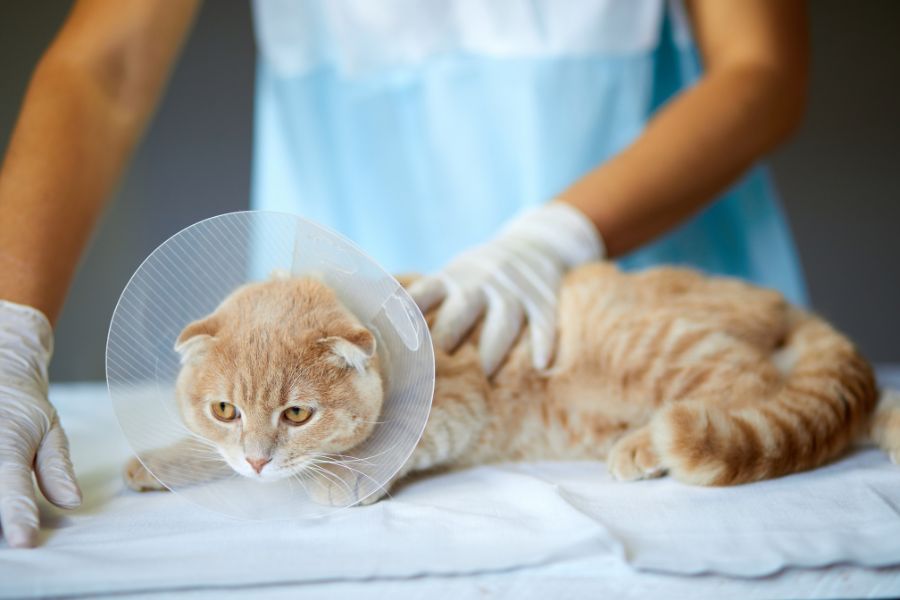
A cat abscess is a painful pocket of infection that develops beneath the skin, often after a bite, scratch, or wound. Many pet owners do not notice a problem until swelling appears or their cat begins acting differently. Knowing the early signs of a cat abscess can help prevent complications and support a smoother recovery.
This guide explains the common causes of abscesses in cats, the symptoms to watch for, available treatment options, and what to expect during healing. It also covers prevention tips and answers common questions from cat owners. If you are looking for trusted pet care services in East Meadow, understanding this condition is an important step toward protecting your cat’s health.
What Is a Cat Abscess?
A cat abscess is a localized infection that forms when bacteria enter the body through a wound. The immune system responds by sending white blood cells to the affected area, creating a pocket filled with pus.
Outdoor cats and cats involved in territorial disputes face a higher risk of developing abscesses. These infections commonly occur on the face, neck, tail, and legs. An abscess may start as a small wound that becomes swollen and painful over time.
Common Causes of Cat Abscesses
Several situations can lead to abscess formation in cats.
1. Cat Bites and Scratches
The most common cause of a cat’s abscess is a bite from another cat. Sharp teeth create deep puncture wounds that trap bacteria beneath the skin. Since the surface wound often closes quickly, bacteria remain inside and multiply.
2. Injuries and Trauma
Cuts from sharp objects, scratches, and other skin injuries can introduce bacteria into the body. Even minor wounds can become infected if left untreated.
3. Dental Infections
Tooth and gum disease can sometimes result in abscesses around the mouth or jaw. These infections may cause swelling, discomfort, and difficulty eating.
4. Foreign Objects
Thorns, splinters, or other materials lodged under the skin can trigger infection and abscess development.
Signs and Symptoms of a Cat Abscess
Recognizing cat abscess symptoms early allows for prompt treatment and improved healing.
1. Physical Signs
Common physical symptoms include:
- Swelling under the skin
- Redness around the affected area
- Warmth near the wound
- Hair loss over the swelling
- Drainage of pus or fluid
- Unpleasant odor
2. Behavioral Changes
Cats experiencing pain from an abscess may show:
- Reduced appetite
- Lethargy
- Hiding more frequently
- Irritability when touched
- Reluctance to move
Some cats develop a fever as the infection progresses.
How Cat Abscesses Are Diagnosed
A thorough examination helps determine the severity of the infection and identify any underlying issues. The affected area is evaluated for swelling, drainage, and pain.
In some cases, additional testing may be recommended through pet diagnostic care services to assess deeper infections or identify contributing conditions. Imaging and laboratory testing can provide valuable information when treatment decisions are being made.
Treatment Options for Cat Abscesses
Cat abscess treatment depends on the size, location, and severity of the infection.
1. Draining the Abscess
Many abscesses require drainage to remove pus and reduce pressure. This process helps eliminate bacteria and promotes healing.
2. Cleaning the Area
The infected tissue is thoroughly cleaned to remove debris and contaminated material. Proper wound management reduces the risk of recurring infection.
3. Medications
Antibiotics are commonly prescribed to fight bacterial infection. Pain relief medications may also be recommended to improve comfort during recovery.
4. Managing Severe Cases
Large or complicated abscesses may require additional procedures to ensure complete healing. Follow-up visits help monitor progress and address concerns promptly.
Recovery and Home Care
Most cats recover well when treatment begins early, and aftercare instructions are followed carefully.
1. Keep the Area Clean
Monitor the wound daily and follow the cleaning instructions provided by your pet care team. Clean surroundings help reduce the risk of reinfection.
2. Give Medications as Directed
Complete all prescribed medications, even if your cat appears better before treatment is finished.
3. Limit Outdoor Activity
Keeping your cat indoors during recovery helps prevent new injuries and protects the healing wound.
4. Watch for Changes
Contact your care provider if swelling returns, drainage increases, or your cat becomes lethargic again.
Healing times vary depending on the severity of the infection. Many cats show noticeable improvement within several days of treatment.
Can Cat Abscesses Be Prevented?
While not every abscess can be avoided, several preventive measures can lower the risk.
- Keep cats indoors when possible
- Schedule regular health examinations
- Address wounds promptly
- Monitor interactions with unfamiliar cats
- Maintain good dental health
- Check your cat regularly for injuries
Early attention to small wounds often prevents larger problems from developing.
When Should You Seek Professional Care?
A swollen lump, draining wound, foul odor, or sudden behavior change should never be ignored. Abscesses can become more serious if left untreated. Early evaluation helps reduce discomfort and supports faster healing.
At East Meadow Veterinary Center, we understand how concerning infections can be for pet owners. Our team provides compassionate support, thorough evaluations, and personalized treatment plans. If you notice signs of a cat abscess, schedule an appointment with us to help your cat receive timely care and recover comfortably.
Conclusion
Cat abscesses are common but treatable infections that require prompt attention. Understanding the causes, symptoms, treatment process, and recovery expectations can help you act quickly when problems arise. Regular monitoring, good wound care, and preventive measures support long-term health and comfort.
For pet owners seeking trusted care, East Meadow Veterinary Center is committed to helping cats stay healthy and happy. If you’re located in East Meadow, connect with our team, where compassionate care and a strong sense of community work together to support your pet’s well-being.
Frequently Asked Questions(FAQs):
1. How long does it take for a cat’s abscess to heal?
A: Most cat abscesses begin improving within a few days after treatment. Complete healing often takes one to two weeks, depending on the infection’s severity, wound location, and how closely aftercare instructions are followed.
2. Can a cat abscess heal on its own?
A: Some abscesses may rupture and drain naturally, but the infection often remains. Without proper treatment, bacteria can continue spreading, leading to pain, recurring infection, and delayed healing for your cat.
3. What does a cat abscess look like?
A: A cat abscess typically appears as a swollen lump beneath the skin. The area may feel warm, look red, lose fur, or release pus with an unpleasant odor once the abscess opens.
4. Are cat abscesses painful?
A: Yes, abscesses can be very uncomfortable. Cats often experience tenderness, swelling, and pressure around the infected area. Many become less active, hide more often, or react negatively when touched near the wound.
5. Why do outdoor cats get abscesses more often?
A: Outdoor cats encounter more opportunities for fights, scratches, and bite wounds. These injuries allow bacteria to enter beneath the skin, making abscess formation significantly more common among cats that roam outdoors.
6. When should I take my cat to a clinic for an abscess?
A: Seek professional care as soon as you notice swelling, drainage, foul odor, fever, loss of appetite, or behavioral changes. Early treatment helps prevent complications and supports a smoother recovery process for your cat.