535 East Meadow Ave, East Meadow, NY 11554
Why Regular Pet Wellness Exams Matter for Lifelong Health


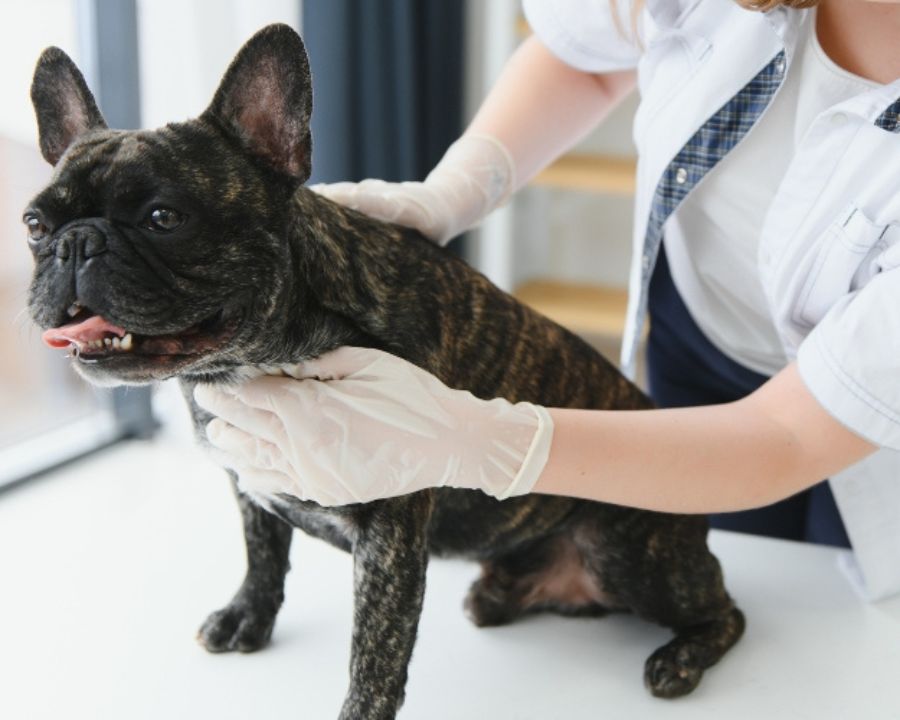
Pets bring comfort, companionship, and joy to everyday life. Whether they greet you at the door after work or curl up beside you at the end of the day, they quickly become cherished members of the family. Because pets cannot explain when they feel discomfort or pain, routine veterinary care plays an essential role in protecting their long-term health and happiness.
Many health conditions begin quietly. A small change in appetite, sleeping habits, energy levels, or behavior may indicate an underlying issue that is not immediately visible. Regular veterinary visits help identify these concerns early before they become more serious or expensive to treat. Preventive care also supports healthy growth, proper nutrition, dental health, and disease prevention throughout every stage of life.
For families in East Meadow, NY, proactive veterinary care helps pets enjoy healthier and more active lives for years to come.
The Purpose of Routine Wellness Visits
Routine veterinary visits focus on prevention rather than emergency treatment. Instead of waiting until a pet becomes sick, veterinarians monitor overall health and look for early warning signs that may otherwise go unnoticed.
During these appointments, the veterinary team evaluates many aspects of a pet’s well-being, including:
- Weight and body condition
- Skin and coat health
- Heart and lung function
- Dental condition
- Joint mobility
- Ear and eye health
- Digestive wellness
- Behavioral changes
- Vaccination status
These evaluations create a clear picture of a pet’s overall condition. As a result, veterinarians can track changes over time and recommend care adjustments when needed.
Early Detection Leads to Better Outcomes
One of the greatest benefits of regular veterinary care is early disease detection. Many illnesses develop gradually and may not show obvious symptoms during the early stages. Unfortunately, pets naturally hide discomfort, which can make problems difficult for owners to notice.
Routine exams help identify conditions such as:
- Diabetes
- Arthritis
- Kidney disease
- Heart disease
- Dental infections
- Thyroid disorders
- Obesity
- Parasites
When veterinarians discover these issues early, treatment often becomes more effective and less invasive. Early intervention may also reduce pain, improve quality of life, and extend a pet’s lifespan.
For example, dental disease often begins with mild plaque buildup. Without treatment, however, it can progress into painful infections that affect the gums, teeth, and internal organs. Detecting dental concerns early allows veterinarians to recommend cleanings and preventive care before serious complications occur.
Preventive Care Supports Lifelong Wellness
Preventive medicine remains one of the most effective ways to support long-term health in pets. Instead of reacting to illness after symptoms appear, preventive care focuses on reducing risks before problems develop.
Veterinarians may recommend several preventive services based on a pet’s age, breed, lifestyle, and medical history. These services often include:
Vaccinations
Vaccines protect pets against serious and potentially life-threatening diseases. Regular vaccine updates help maintain immunity and reduce the spread of contagious illnesses.
Dogs may receive vaccines for:
- Rabies
- Distemper
- Bordetella
- Parvovirus
- Leptospirosis
Cats may receive vaccines for:
- Rabies
- Feline leukemia
- Calicivirus
- Panleukopenia
Veterinarians create customized vaccine schedules based on each pet’s individual needs.
Parasite Prevention
Fleas, ticks, heartworms, and intestinal parasites can create serious health concerns for pets. Some parasites may also affect people within the household.
Routine screenings and preventive medications help protect pets year-round. Because parasite risks can vary by season and environment, regular veterinary guidance remains important.
Nutritional Guidance
Proper nutrition affects every part of a pet’s health, including weight management, digestion, energy levels, skin condition, and immune function.
Veterinarians can recommend balanced diets that support specific life stages and medical conditions. Nutritional counseling also helps owners avoid overfeeding, which contributes to obesity and related health problems.
Why Age Matters in Veterinary Care
Pets experience different health needs as they grow older. A young puppy or kitten requires different care than a senior dog or aging cat. Routine veterinary visits allow healthcare plans to evolve alongside a pet’s changing needs.
Puppies and Kittens
Young pets need strong preventive foundations during the first year of life. Early veterinary care often includes:
- Vaccination series
- Deworming
- Nutritional recommendations
- Behavioral guidance
- Spay and neuter discussions
These early visits help ensure healthy development while establishing long-term healthcare routines.
Adult Pets
Adult pets benefit from ongoing monitoring and preventive care. During adulthood, veterinarians focus on maintaining healthy body weight, dental condition, and overall wellness.
This stage also allows veterinarians to identify subtle changes that may indicate developing health concerns.
Senior Pets
As pets age, their risk of chronic illness increases. Arthritis, vision changes, heart disease, and kidney problems become more common in the senior years.
Older pets may require:
- More frequent evaluations
- Bloodwork screenings
- Mobility assessments
- Specialized diets
- Pain management support
Consistent monitoring helps senior pets remain comfortable and active for as long as possible.
Dental Health Plays a Bigger Role Than Many Owners Realize
Dental disease affects a large percentage of adult pets. Unfortunately, many owners do not recognize dental problems until symptoms become severe.
Bad breath, difficulty chewing, drooling, or swollen gums may indicate oral health concerns. However, pets can also develop hidden dental infections without visible signs.
Poor oral health can contribute to:
- Tooth loss
- Pain
- Gum infections
- Difficulty eating
- Heart complications
- Kidney issues
Routine veterinary evaluations often include dental assessments that help identify problems early. Professional cleanings and home dental care support healthier teeth and gums throughout a pet’s life.
Weight Management Improves Quality of Life
Obesity continues to be one of the most common health problems among pets. Excess weight places additional stress on joints, organs, and the cardiovascular system.
Overweight pets may face increased risks for:
- Diabetes
- Arthritis
- Respiratory problems
- Heart disease
- Reduced mobility
Routine checkups allow veterinarians to monitor body condition and provide realistic weight management strategies.
Simple lifestyle adjustments such as portion control, healthier treats, and regular exercise can significantly improve overall health and energy levels.
Behavioral Changes Can Reveal Hidden Problems
Behavioral shifts often indicate underlying medical concerns. A normally social pet that suddenly becomes withdrawn may be experiencing discomfort or illness.
Veterinarians evaluate behavioral changes such as:
- Increased aggression
- Anxiety
- Excessive sleeping
- Appetite changes
- House-training accidents
- Reduced activity
Because many medical conditions affect behavior, professional evaluations help determine whether physical or emotional factors contribute to these changes.
The Importance of Consistent Veterinary Relationships
Routine visits also strengthen the relationship between pet owners and their veterinary team. Over time, veterinarians become familiar with a pet’s personality, medical history, and normal behavior patterns.
This familiarity improves the ability to:
- Detect subtle changes
- Create personalized care plans
- Provide accurate recommendations
- Reduce stress during visits
Pets often feel more comfortable when they regularly visit a familiar veterinary environment instead of only coming in during emergencies.
Pet Wellness Exams Help Reduce Long-Term Costs
Preventive care may also reduce long-term medical expenses. Emergency treatments and advanced illnesses often require more extensive diagnostics, medications, surgeries, or hospitalization.
Identifying concerns early usually allows for:
- Less invasive treatment
- Lower healthcare costs
- Faster recovery
- Better health outcomes
Routine care investments today can help prevent larger financial burdens later.
Building a Healthier Future for Your Pet
Every stage of a pet’s life benefits from consistent preventive care. From early vaccinations to senior health monitoring, regular veterinary visits support healthier and happier lives.
Scheduling routine pet wellness exams allows veterinarians to identify concerns early, monitor long-term health trends, and create personalized care plans that evolve with a pet’s needs. In addition, these visits provide valuable opportunities to discuss nutrition, dental care, parasite prevention, and behavioral concerns before they become serious problems.
Many families underestimate how much preventive medicine contributes to lifelong wellness. However, consistent care often makes the difference between simply treating illness and helping pets truly thrive.
At East Meadow Veterinary Center, our team believes that proactive healthcare remains one of the most important gifts owners can provide for their pets. Through compassionate guidance, preventive services, and personalized attention, we help support healthier lives at every age.
If you’re in East Meadow and looking for pet wellness care, schedule an appointment with East Meadow Veterinary Center. Our veterinary team is committed to helping your pet stay healthy, active, and comfortable through every stage of life.
Related Articles