535 East Meadow Ave, East Meadow, NY 11554

My Dog Ate Something Strange: What Now?

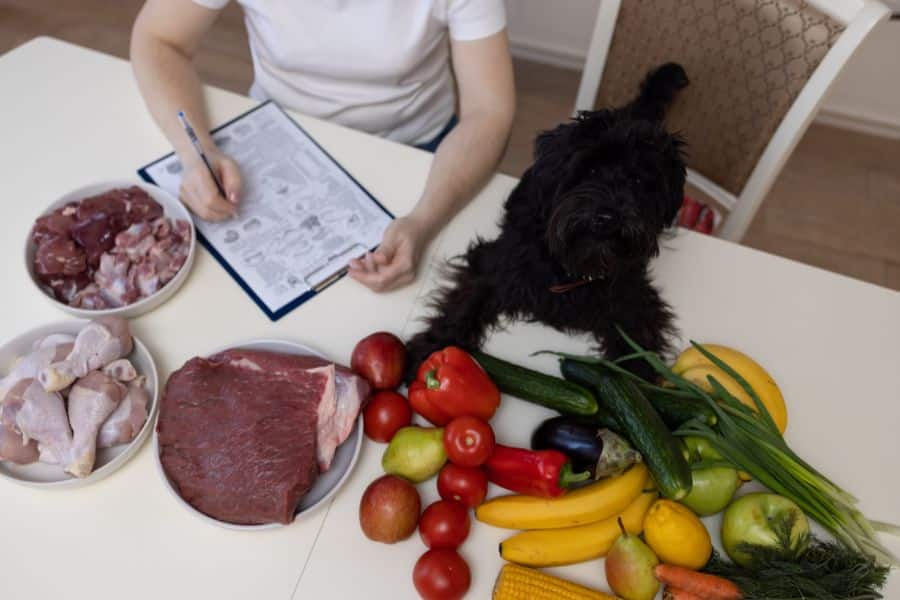
Foods that are safe for people can be harmful to dogs. Even a small amount of certain ingredients can cause problems, depending on your dog’s size and the quantity consumed.
Common food hazards include:
- Chocolate: Contains theobromine and caffeine, which can affect a dog’s heart, nervous system, and digestive system.
- Grapes and raisins: Can cause sudden kidney damage in dogs. The amount that causes toxicity is unpredictable.
- Onions and garlic: Can damage red blood cells and lead to anemia.
- Xylitol: A sugar substitute found in some sugar-free gum, candy, baked goods, and dental products. It can cause a dangerous drop in blood sugar and liver injury.
- Alcohol: Can cause vomiting, poor coordination, breathing problems, and other serious effects.
- Macadamia nuts: May cause weakness, vomiting, tremors, and difficulty walking.
If your dog eats any of these foods, contact an animal health professional or pet poison control service immediately. Do not assume that a small bite is harmless.
Household Products and Chemicals
Dogs may also chew on items that are not meant to be eaten. Cleaning products, medications, pesticides, fertilizers, and automotive fluids can expose them to harmful chemicals.
Keep an eye out for:
- Household cleaners and disinfectants.
- Human prescription and over-the-counter medications.
- Rat poison and insecticides.
- Antifreeze and automotive products.
- Laundry detergent pods.
- Certain essential oils and concentrated fragrances.
Never assume that a product is safe because it is commonly used around the house. Check its ingredients and contact a professional if your dog has swallowed or chewed it.
Non-Food Objects
Sometimes, the biggest concern is not poisoning but physical damage. Dogs frequently swallow objects while playing, exploring, or chewing.
Potentially dangerous objects include:
- Socks and underwear.
- Small toys and toy parts.
- Bones and sharp food scraps.
- Rubber balls and plastic pieces.
- String, ribbon, and thread.
- Corn cobs and fruit pits.
- Batteries and magnets.
These objects can become stuck in the throat, stomach, or intestines. Sharp items may also injure the digestive tract.
3. What Should You Do Immediately?
Once you know or suspect that your dog has swallowed something unusual, take practical steps instead of trying random home remedies.
Step 1: Remove Any Remaining Material
Move your dog away from the item and remove any remaining pieces from the surrounding area. This prevents further ingestion.
If your dog is chewing on something toxic, avoid putting your fingers near its mouth if there is a risk of being bitten. Do not reach blindly into the throat.
Step 2: Check for Immediate Warning Signs
Look at your dog’s behavior and breathing. Is your dog coughing, gagging, struggling to breathe, or having difficulty swallowing?
If your dog is choking or struggling to breathe, seek emergency care immediately. Do not delay to investigate the entire incident.
Step 3: Contact a Professional
Call your regular animal hospital, an emergency animal hospital, or a pet poison control service. Explain what your dog ate, how much may be missing, and when it happened.
If you are unsure what the object was, describe its size, shape, color, and material. Share a photo or product packaging when available.
Step 4: Follow the Instructions Carefully
The next step depends on what your dog swallowed. Some situations require immediate treatment, while others may be managed through careful observation under professional guidance.
Do not give your dog human medication, milk, oil, bread, or other home remedies to neutralize the substance.
Never induce vomiting unless a qualified professional specifically instructs you to do so. Vomiting can make certain situations more dangerous, particularly when the substance is corrosive, sharp, or likely to enter the lungs.
4. Warning Signs That Your Dog Needs Medical Attention
Some dogs show symptoms shortly after swallowing something harmful. Others appear normal initially and become sick later.
Watch for these signs:
- Repeated vomiting or attempts to vomit.
- Excessive drooling.
- Loss of appetite.
- Diarrhea or bloody stool.
- Abdominal pain or a swollen belly.
- Unusual tiredness or weakness.
- Restlessness or difficulty getting comfortable.
- Tremors or seizures.
- Difficulty breathing.
- Pale gums or collapse.
- Straining to pass stool or inability to defecate.
These symptoms can indicate poisoning, digestive irritation, or an intestinal blockage.
When Is It an Emergency?
Seek immediate medical attention if your dog has difficulty breathing, collapses, experiences seizures, repeatedly vomits, shows severe abdominal pain, or may have swallowed a battery, magnet, sharp object, or toxic substance.
Do not wait to see whether the symptoms improve. Quick action can make a significant difference in the outcome.
5. What Happens If Your Dog Swallows a Foreign Object?
A foreign object is anything your dog swallows that is not meant to be eaten. Some small, smooth objects may pass through the digestive tract, but others can become trapped.
Intestinal Blockage
An intestinal blockage occurs when an object prevents food, liquid, or waste from moving normally through the digestive system.
Common symptoms include vomiting, reduced appetite, abdominal discomfort, weakness, and changes in bowel movements.
A blockage can damage the intestines and may require surgery. Never assume that an object will pass naturally just because your dog seems comfortable.
Damage to the Digestive Tract
Sharp objects, bones, and hard plastic pieces can injure the stomach or intestines. String-like materials can also cause serious damage because they may become anchored while the intestines move around them.
If you notice string hanging from your dog’s mouth or anus, do not pull it. Contact an animal hospital immediately.
Choking or Breathing Problems
Small toys, food chunks, and other objects can become lodged in the throat. This can interfere with normal breathing and requires immediate attention.
6. How Is the Problem Diagnosed and Treated?
The treatment depends on the material swallowed, the amount consumed, your dog’s condition, and how much time has passed.
During an examination, the medical team may ask about the incident, check your dog’s vital signs, and assess the abdomen.
Depending on the situation, recommended tests may include:
- X-rays: Help identify certain swallowed objects and signs of intestinal blockage.
- Ultrasound: Provides a closer look at abdominal organs and may help detect objects that are difficult to see on X-rays.
- Blood tests: Check organ function, blood sugar, and other health indicators.
- Additional imaging: May be recommended when the initial results do not provide enough information.
Treatment options vary. Your dog may need medication, fluids, monitoring, or removal of the swallowed object. In some cases, an endoscope can retrieve an object through the mouth without surgery. Other cases require an operation to remove an obstruction or repair internal damage.
The treatment plan should always match the specific problem. There is no single solution for every case of accidental ingestion.
7. Can You Monitor Your Dog at Home?
Home monitoring may be appropriate in some situations, but only after a professional has assessed the risk. Never decide to wait simply because your dog is eating, drinking, or playing normally.
If you are advised to monitor your dog, follow the instructions provided and watch for changes in behavior.
Pay attention to:
- Appetite and water intake.
- Vomiting or changes in stool.
- Energy levels and activity.
- Signs of abdominal discomfort.
- Normal bowel movements.
- Changes in breathing or coordination.
Keep your dog away from additional food scraps, toys, and household materials that could create another problem.
If any new symptoms develop, contact the animal hospital again. If your dog develops an emergency warning sign, seek immediate care rather than continuing home observation.
8. How to Prevent Your Dog From Eating Strange Things
Preventing accidental ingestion starts with understanding your dog’s habits. Some dogs chew because they are bored, while others explore objects because they are naturally curious. Puppies are especially likely to investigate unfamiliar items with their mouths.
Here are practical ways to reduce the risk.
Keep Dangerous Foods Out of Reach
Store chocolate, grapes, raisins, sugar-free products, medications, and other harmful foods in closed cabinets. Avoid leaving food wrappers, grocery bags, or leftovers on countertops where your dog can reach them.
Remind family members and guests not to feed your dog without checking whether the food is safe.
Choose Appropriate Toys
Select toys that match your dog’s size and chewing habits. Avoid toys with small detachable parts that can be swallowed.
Inspect toys regularly for cracks, loose pieces, and damage. Replace them when they become unsafe.
Supervise Outdoor Activities
Dogs can pick up dangerous items during walks, park visits, or time in the backyard. Watch for discarded food, animal waste, sharp objects, and unknown substances.
Training commands such as “leave it” and “drop it” can help prevent your dog from swallowing something dangerous.
Address Repeated Chewing and Eating
If your dog frequently eats non-food items such as fabric, plastic, paper, or soil, discuss the behavior with a professional. Repeated consumption of non-food materials may be associated with a condition called pica.
A proper assessment can help identify possible medical, nutritional, or behavioral factors contributing to the habit.
Conclusion: Acting Quickly Can Protect Your Dog’s Health
When your dog eats something strange, the most important thing is to identify the item, assess the immediate danger, and seek appropriate guidance. Some swallowed materials may pass without complications, but toxic foods, chemicals, sharp objects, and foreign materials can cause serious health problems.
Never assume that your dog is safe just because there are no immediate symptoms. Avoid home remedies and do not induce vomiting without professional instructions. Keep the packaging or a sample of the swallowed material available to help with the assessment.
Don’t wait when your pet needs urgent care. If your dog has swallowed a potentially harmful substance or object, or is showing signs of poisoning, choking, or an intestinal blockage, seek immediate medical attention. Contact our team for urgent assistance and guidance.
Call us now at 516-743-9595 to arrange an urgent care visit.
Being prepared, recognizing warning signs, and responding quickly can help you make informed decisions when your dog’s curiosity turns into an unexpected health concern.
Frequently Asked Questions(FAQs):
1. What should I do if my dog eats something unknown?
A: Keep your dog away from the remaining material and try to identify what was swallowed. Note the possible amount and time of ingestion. Contact an animal hospital or pet poison control service for guidance, even if your dog appears normal. Do not induce vomiting or give home remedies without professional instructions.
2. How long does it take for a dog to show symptoms after eating something harmful?
A: Symptoms can appear within minutes or several hours, depending on the substance. Some toxic exposures cause delayed problems that may take a day or longer to become noticeable. Foreign objects can also cause symptoms gradually as they move through the digestive tract. Do not wait for signs of illness before seeking advice.
3. Will my dog naturally pass a swallowed object?
A: Some small, smooth objects may pass through the digestive system without causing problems. However, larger objects, fabric, string, bones, batteries, and sharp materials can cause blockages or internal injuries. Whether an object can pass safely depends on its size, shape, and location. A professional assessment is necessary to determine the safest approach.
4. Should I make my dog vomit after swallowing something unusual?
A: No. Never make your dog vomit unless a qualified professional specifically instructs you to do so. Vomiting can cause additional harm if your dog has swallowed sharp objects, corrosive chemicals, or substances that can enter the lungs. Contact an animal hospital or poison control service before attempting any treatment.
5. When should I take my dog to an emergency animal hospital?
A: Seek emergency care if your dog has trouble breathing, collapses, experiences seizures, repeatedly vomits, develops severe abdominal pain, or may have swallowed a battery, magnet, sharp object, or toxic substance. These situations require prompt attention, even if your dog was behaving normally shortly before the incident.