535 East Meadow Ave, East Meadow, NY 11554

How to Remove Fleas from Your Dog and Home Quickly

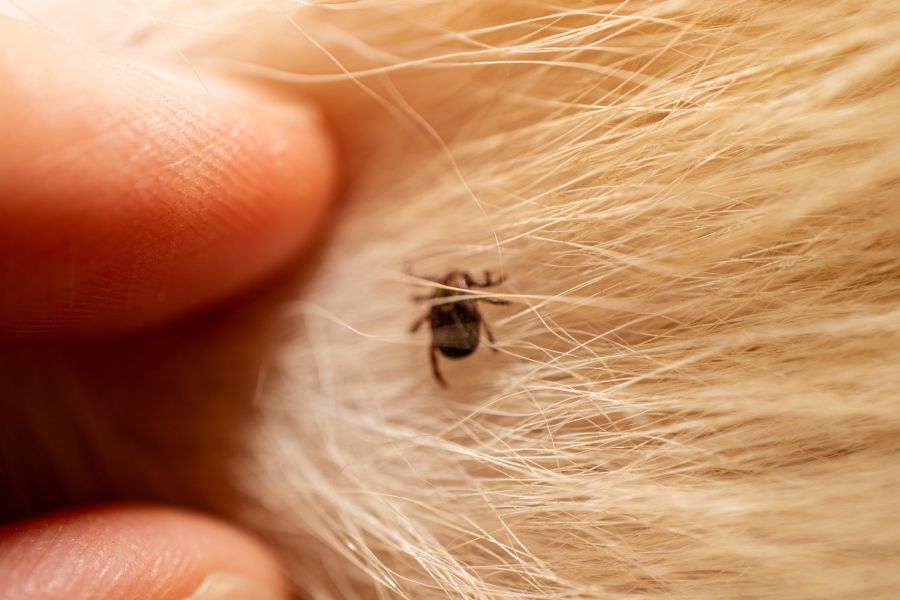
Fleas can turn a comfortable home into a frustrating environment for both pets and their families. These tiny pests cause itching, skin irritation, hair loss, and discomfort. A flea problem rarely stays limited to your dog. Once fleas begin reproducing, eggs, larvae, and adults can spread throughout carpets, furniture, bedding, and other areas of the home.
Quick action is essential to stop the infestation before it grows. This guide explains how to identify fleas, remove them from your dog, eliminate them from your home, and prevent future outbreaks. You will also learn when professional help may be necessary and how routine preventive measures can reduce the risk of recurring infestations.
Pet owners in East Meadow can benefit from staying proactive and addressing flea concerns as soon as they appear.
How to Tell if Your Dog Has Fleas
Fleas are small, fast-moving insects that can be difficult to spot. Many pet owners notice the signs before they see the fleas themselves.
Common symptoms include:
- Excessive scratching or biting
- Red or irritated skin
- Hair loss in certain areas
- Small black specks known as flea dirt
- Restlessness or discomfort
- Frequent licking, especially around the tail and hindquarters
Part the fur around your dog’s neck, back, and tail base. Adult fleas may appear as tiny dark insects moving through the coat.
Why Fast Flea Treatment Matters
A single flea can lay dozens of eggs in a short period. Those eggs fall off your dog and settle into carpets, furniture, and cracks around the home.
Ignoring the problem can lead to:
- Severe itching and skin irritation
- Secondary skin infections
- Flea allergy reactions
- Household infestations
- Increased treatment costs
Early intervention helps reduce discomfort and makes flea removal much easier.
Step 1: Remove Fleas from Your Dog
Give Your Dog a Flea Bath
A flea shampoo can help remove many adult fleas from your dog’s coat. Follow product directions carefully and rinse thoroughly.
Pay special attention to:
- Neck area
- Underarms
- Belly
- Tail base
A flea bath provides immediate relief but should not be the only treatment method.
Use a Flea Comb
A flea comb helps remove adult fleas, eggs, and debris from the coat.
Comb slowly through:
- Behind the ears
- Around the neck
- Along the back
- Near the tail
Dip the comb into soapy water after each pass to kill captured fleas.
Apply Flea Treatment
Many flea control products work by killing adult fleas and interrupting their life cycle.
Options may include:
- Topical treatments
- Oral flea medications
- Flea collars
- Fast-acting flea tablets
Your veterinarian can recommend the most appropriate option based on your dog’s age, weight, and lifestyle.
Step 2: Eliminate Fleas from Your Home
Treating your dog alone will not solve the problem. Flea eggs and larvae can survive in the environment and restart the infestation.
Wash Pet Bedding
Wash all pet bedding, blankets, and washable fabrics in hot water.
Items to clean include:
- Dog beds
- Crate pads
- Blankets
- Cushion covers
High heat helps destroy flea eggs and larvae.
Vacuum Thoroughly
Vacuum every area where your dog spends time.
Focus on:
- Carpets
- Rugs
- Upholstered furniture
- Baseboards
- Corners and crevices
Dispose of vacuum contents immediately after cleaning.
Treat Household Surfaces
Flea control sprays designed for indoor use can help target hidden flea stages.
Follow label instructions carefully and keep pets away until surfaces are dry.
Step 3: Address Outdoor Areas
Many flea infestations begin outdoors.
Inspect and maintain:
- Shaded areas
- Dog runs
- Kennels
- Deck spaces
- Areas with accumulated leaves
Keeping grass trimmed and removing yard debris can reduce flea habitats.
Common Flea Treatment Mistakes
Some pet owners unknowingly prolong infestations by making avoidable errors.
Treating Only the Dog
Most fleas in an infestation exist in the environment rather than on the pet. Home treatment remains essential.
Stopping Treatment Too Soon
Even after visible fleas disappear, eggs may still be present. Continue recommended treatment schedules.
Using Products Incorrectly
Applying products too frequently or using the wrong dosage may be ineffective or unsafe.
Always follow professional guidance and product directions.
How Long Does It Take to Get Rid of Fleas?
The timeline depends on the severity of the infestation.
Many pet owners notice improvement within a few days after treatment begins. Complete elimination often requires several weeks because flea eggs continue hatching over time.
Consistency is the key to success.
Preventing Future Flea Problems
Prevention is easier than managing a full infestation.
Important prevention strategies include:
- Year-round flea protection
- Regular grooming
- Frequent vacuuming
- Routine bedding cleaning
- Checking pets after outdoor activities
- Maintaining a healthy wellness schedule
A comprehensive pet wellness exam and care plan helps identify parasite concerns before they become major problems.
When to Seek Professional Help
Some flea infestations become difficult to control without additional support.
Contact your veterinarian if your dog experiences:
- Severe skin irritation
- Open sores
- Hair loss
- Signs of infection
- Persistent flea activity despite treatment
Professional guidance can help identify the source of the problem and recommend more effective solutions.
Conclusion
Removing fleas from your dog and home quickly requires a complete approach. Effective treatment involves caring for your dog, cleaning the home environment, addressing outdoor spaces, and maintaining consistent prevention efforts. Acting early helps minimize discomfort and reduces the chance of a long-term infestation. If you’re located in East Meadow, our team is here to provide compassionate support where quality care and community commitment come together for your pet’s health and well-being.
At East Meadow Veterinary Center, we help pet owners protect their companions from fleas, ticks, and other parasites through personalized care and preventive solutions. Contact us today to schedule an appointment and keep your pet comfortable year-round.
Frequently Asked Questions
1. How can I tell if my dog has fleas?
Dogs with fleas often scratch excessively, bite at their skin, or develop redness and irritation. You may also notice flea dirt, which looks like tiny black specks, especially around the neck, back, and tail area.
2. Can fleas live in my house even if I don’t see them on my dog?
Yes. Flea eggs, larvae, and pupae often hide in carpets, furniture, bedding, and cracks around the home. Adult fleas may represent only a small portion of the total infestation present in the environment.
3. What kills fleas on dogs the fastest?
Fast-acting oral medications and certain topical flea treatments can begin killing fleas within hours. The best option depends on your dog’s age, health status, and individual needs. Consult your veterinarian for guidance.
4. How often should I wash my dog’s bedding during a flea infestation?
Wash bedding, blankets, and other washable fabrics at least once weekly during active flea treatment. Using hot water and high heat drying cycles helps eliminate flea eggs and larvae effectively.
5. Why do fleas keep coming back after treatment?
Fleas often return when eggs and larvae remain in the environment. Incomplete home cleaning, inconsistent prevention, or untreated outdoor areas can allow new fleas to emerge and restart the infestation.
6. Is year-round flea prevention necessary?
Yes. Fleas can survive indoors during many seasons, making year-round prevention important. Consistent protection helps reduce infestations, minimizes discomfort, and lowers the risk of flea-related skin problems for your dog.
Related Articles