535 East Meadow Ave, East Meadow, NY 11554

Best Enrichment Ideas for Bored Indoor Cats

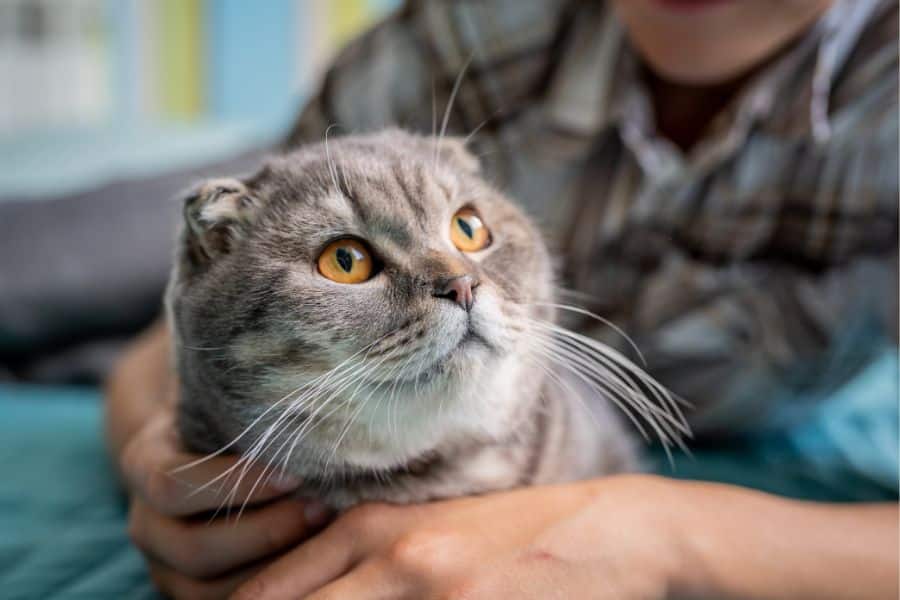
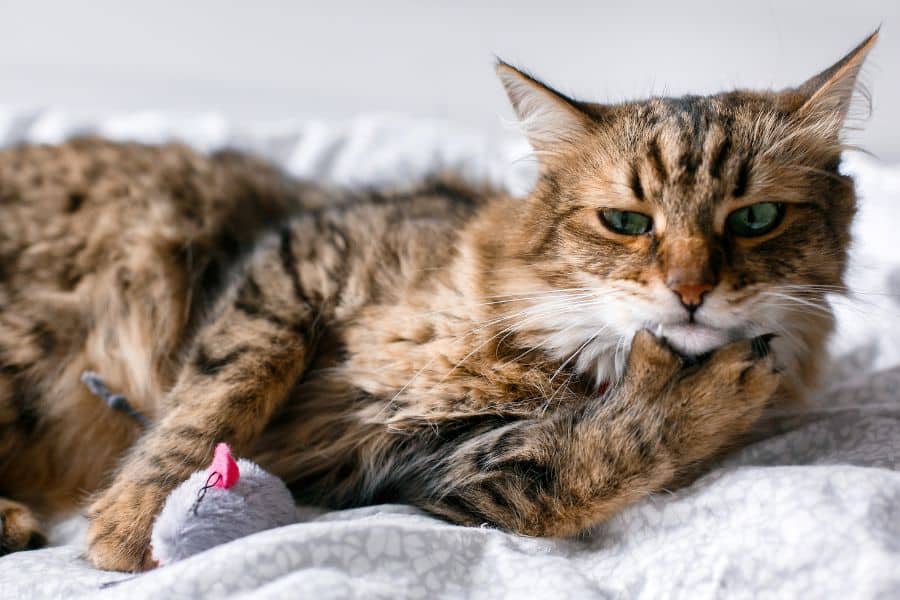
Indoor life can be stimulating when a cat’s environment supports natural needs. A bored cat may vocalize, overeat, or lose interest in play. The answer is not a room full of toys. Cats need chances to stalk, climb, scratch, explore, hide, forage, and choose.
This guide covers toys, food puzzles, vertical spaces, window activities, scent experiences, interactive play, safe objects, boredom signs, routines, and warning signs.
Why Indoor Cats Get Bored
Cats are natural hunters. A food bowl in the same place every day removes much of the searching and problem-solving that can occupy a cat outdoors. Limited space can reduce movement and novelty.
Boredom may appear as destructive scratching, nighttime activity, attention-seeking, repetitive behavior, or constant food demands. Some cats become less engaged. A sudden change should not automatically be blamed on boredom because pain, illness, anxiety, and age-related changes can affect behavior.
Create a Home That Invites Exploration
Think in zones.
Add Vertical Space
Cat trees, shelves, window perches, and secure furniture create climbing opportunities. Height gives cats choices about where to rest and watch. Place perches near secure windows.
Offer Hiding and Scratching Spots
Cardboard boxes, covered beds, tunnels, and quiet corners provide places to retreat. Scratching posts should be stable and tall enough for a full stretch. Offer cardboard and sisal to discover preferences.
Make Mealtime a Puzzle
Food enrichment turns eating into an activity. Try puzzle feeders, treat balls, lickable food mats made for cats, or small portions hidden around an accessible room. Start easy and increase difficulty.
Use part of the daily food allowance for enrichment instead of adding treats.
Build Better Play Sessions
Interactive play is one of the most useful enrichment tools. Wand toys can imitate prey by moving, stopping, hiding, and changing direction. Let your cat stalk and pounce rather than waving the toy continuously.
Short sessions can work better than one long workout. Aim for several daily play periods. End with a successful catch and a treat.
Rotate Toys Instead of Leaving Everything Out
A floor covered with every toy can become boring. Keep a small selection available and store the rest. Rotate toys so familiar objects feel new again.
Include chase toys, kicker toys, balls, tunnels, and treat puzzles. Remove damaged pieces, loose strings, or small parts that could be swallowed.
Use Everyday Objects Safely
Enrichment does not require expensive equipment. Paper bags without handles, cardboard boxes, crumpled paper, and paper towel tubes can become temporary exploration toys. Supervise new objects and remove hazards such as staples, strings, or adhesives.
A box can become a hideout or treat-search station. Change the setup to keep the environment fresh.
Give Your Cat a Window and Scent Station
A secure window can provide visual enrichment. Birds, leaves, people, and weather create movement to watch. A bird feeder outside may add interest when wildlife and window safety permit.
Scent can stimulate investigation too. Cat-safe plants and new objects provide variety. Some cats enjoy catnip or silvervine. Avoid essential oils around cats because concentrated oils can be harmful.
Create a Simple Daily Enrichment Routine
Consistency matters more than complexity. Morning can include a puzzle feeder, midday a perch or toy rotation, and evening hunting play followed by food.
Watch what your cat chooses. One cat may prefer climbing, another food puzzles, and another wand play. Match enrichment to the individual.
Signs Your Cat Needs More Than Enrichment
Behavior changes deserve attention when they are sudden, persistent, or accompanied by appetite changes, altered litter box habits, hiding, unusual vocalization, reduced activity, aggression, or grooming changes. Medical problems can resemble boredom. A routine checkup can identify concerns easily missed at home. Pet wellness exams can support preventive care and discussion of changes in your cat’s habits.
Common Enrichment Mistakes to Avoid
Do not force interaction or leave unsafe items unattended. Avoid making every activity food-based. Too many treats add calories. Avoid placing resources together if they create competition in multi-cat homes.
The goal is choice. A good setup lets a cat climb, hide, scratch, watch, hunt, investigate, or rest.
Conclusion
A stimulating indoor environment does not need to be complicated. Combine vertical space, scratching, hiding places, puzzle feeding, rotating toys, safe objects, window views, scent exploration, and play. Start with what your cat enjoys.
If your cat’s behavior changes unexpectedly or enrichment does not explain what you are seeing, professional guidance is appropriate when needed. For preventive care and a closer look at your cat’s health, book an appointment with your veterinary team. A healthy, engaged cat can enjoy indoor living with curiosity, activity, and choice.
Frequently Asked Questions(FAQs):
1. How do I know if my indoor cat is bored?
A: Boredom may show up as destructive behavior, excessive vocalization, repeated attention-seeking, overeating, nighttime activity, or reduced interest in surroundings. A sudden behavior change should also be evaluated for possible medical causes.
2. What toys are best for indoor cats?
A: Wand toys, puzzle feeders, tunnels, balls, kicker toys, and interactive food games offer different stimulation. The best choice depends on your cat’s preferred movement, play style, age, and physical abilities.
3. How often should I play with my indoor cat?
A: Several short interactive sessions each day can provide useful physical and mental stimulation. Follow your cat’s energy level, keep sessions engaging, and allow successful catches so play feels especially rewarding.
4. Can I use household items for cat enrichment?
A: Yes. Cardboard boxes, paper bags without handles, crumpled paper, and paper towel tubes can provide temporary exploration. Supervise new items and remove anything that can splinter, unravel, or be swallowed.
5. Do indoor cats need a cat tree?
A: A cat tree is not essential, but vertical options can provide exercise, observation points, resting areas, and personal space. Secure shelves, window perches, and stable furniture can offer similar benefits.
6. When should I call a veterinarian about boredom-like behavior?
A: Contact a veterinarian when a behavior change is sudden, persistent, or paired with changes in eating, drinking, grooming, litter box use, activity, or social behavior. Those signs can have medical causes.