535 East Meadow Ave, East Meadow, NY 11554

Falls and Blunt Trauma: Urgent Care Surgical Evaluation for Pets

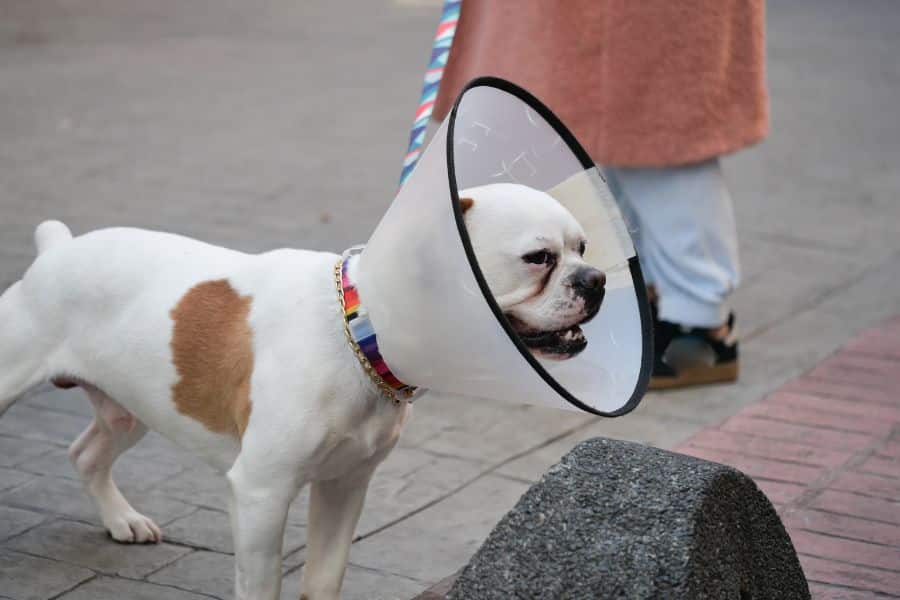
A fall from a height, a collision with an object, or any forceful impact can leave a pet with injuries that are not always visible right away. Some pets appear normal immediately after an accident, yet hidden damage to bones, joints, muscles, or internal organs may develop over the next several hours.
Understanding the signs of blunt trauma, knowing when a surgical evaluation is necessary, and acting quickly can make a meaningful difference in your pet’s recovery. This guide explains common causes of trauma, symptoms to watch for, the diagnostic process, treatment options, recovery expectations, and ways to reduce future risks.
Pet owners in East Meadow should know where to seek timely medical attention if an unexpected injury occurs.
Understanding Falls and Blunt Trauma in Pets
Falls and blunt trauma occur when a pet experiences a sudden impact without penetration of the skin. These injuries may result from jumping off balconies, slipping on stairs, being struck by heavy objects, vehicle-related incidents, or rough play with larger animals.
The force of impact can affect several body systems at once. Bones, soft tissues, nerves, and internal organs may all experience damage. Some injuries are immediately noticeable, while others become apparent only after pain, swelling, or internal bleeding progresses.
Prompt medical evaluation helps identify injuries before they become more serious.
Common Injuries Caused by Blunt Trauma
The severity of injuries depends on the height of the fall, the speed of impact, and the affected body area.
1. Fractures
Broken bones are among the most common injuries after a significant fall or collision. Pets may refuse to bear weight, cry when touched, or hold a limb in an unusual position.
2. Soft Tissue Damage
Muscles, tendons, and ligaments can become strained or torn. Bruising and swelling often develop over several hours.
3. Chest Injuries
Blunt force may bruise the lungs or cause rib fractures. Breathing difficulties should never be ignored because they may indicate serious internal damage.
4. Internal Organ Injuries
Trauma can affect the liver, spleen, kidneys, or bladder. Internal bleeding is not always visible but may quickly become life-threatening without treatment.
5. Head and Spinal Injuries
Impacts involving the head or back may affect balance, coordination, or normal movement. Pets showing neurological changes require immediate assessment.
Signs Your Pet Needs Immediate Surgical Evaluation
Not every injury requires surgery. Some cases respond well to medications and restricted activity. Others need prompt surgical care to stabilize fractures or repair damaged tissues.
Seek urgent care for pets if you notice:
- Difficulty standing or walking
- Persistent limping
- Heavy bleeding
- Rapid or labored breathing
- Swollen abdomen
- Pale gums
- Continuous crying or vocalizing
- Collapse or weakness
- Visible bone deformities
- Loss of consciousness
- Inability to urinate after trauma
These signs may indicate injuries requiring advanced treatment without delay.
How Surgical Evaluation Is Performed
A complete examination begins with assessing your pet’s breathing, circulation, and overall stability.
1. Physical Examination
The care team checks the body for pain, swelling, fractures, wounds, and neurological abnormalities.
2. Diagnostic Imaging
Radiographs help identify fractures and joint injuries. Ultrasound or advanced imaging may be recommended when internal injuries are suspected.
3. Laboratory Testing
Blood work provides valuable information about organ function, blood loss, and overall health before treatment decisions are made.
Once the findings are reviewed, an individualized treatment plan is developed.
When Surgery Becomes Necessary
Surgery is recommended only when it offers the safest path toward recovery.
Common situations requiring surgical treatment include:
- Complex bone fractures
- Joint dislocations
- Internal bleeding
- Ruptured organs
- Deep soft tissue injuries
- Severe bite-related trauma
- Spinal instability
Early intervention often reduces long-term complications and improves comfort during healing.
Recovery After Trauma Surgery
Recovery varies depending on the injury and procedure performed.
Pain management helps pets remain comfortable during healing. Restricted activity protects surgical repairs from unnecessary stress. Follow-up visits allow the medical team to monitor healing and adjust medications when needed.
Some pets benefit from rehabilitation exercises that gradually improve strength, flexibility, and mobility.
Owners play a major role by following discharge instructions carefully, administering medications correctly, and preventing excessive activity during recovery.
Healing times differ widely. Minor procedures may heal within weeks, while complex orthopedic repairs can require several months.
Preventing Falls and Blunt Trauma
Many accidents can be prevented with practical safety measures around the home and outdoors.
Home Safety Tips
- Install secure window screens.
- Block access to unsafe balconies.
- Use stair gates for small pets.
- Remove slippery floor hazards.
- Keep heavy objects properly secured.
Outdoor Safety
Always use a secure leash during walks. Supervise pets around busy roads, construction areas, and elevated surfaces. Avoid allowing pets to ride unsecured in moving vehicles.
Preventive measures greatly reduce the risk of serious injuries.
If your pet experiences a fall or blunt trauma, don’t wait for symptoms to worsen. Call us at 516-743-9595 for prompt urgent care services and timely evaluation.
Conclusion
Falls and blunt trauma can cause injuries that are not immediately obvious, making early medical assessment extremely important. Careful examination, diagnostic testing, and timely surgical evaluation help identify hidden problems before they become more severe.
Knowing the warning signs and seeking prompt treatment gives pets the best opportunity for a smoother recovery and improved quality of life. If you’re located in East Meadow, consider reaching out to East Meadow Veterinary Center, where compassionate care and a strong commitment to the local community come together to support your pet’s health and well-being.
Frequently Asked Quesions(FAQs):
1. Can my pet seem normal after a fall but still have serious injuries?
A: Yes. Some internal injuries and fractures develop noticeable symptoms gradually. Even if your pet appears comfortable initially, hidden damage may exist. A prompt medical examination helps identify problems before they progress into more serious conditions.
2. How soon should my pet be evaluated after blunt trauma?
A: Your pet should be examined as soon as possible following any significant impact. Early assessment improves the chances of detecting internal injuries, fractures, or breathing problems before they worsen and require more extensive treatment.
3. Will every pet with blunt trauma need surgery?
A: No. Many injuries respond well to medication, rest, and careful monitoring. Surgery is recommended only when fractures, internal injuries, or severe tissue damage cannot heal safely through conservative treatment alone.
4. What diagnostic tests are commonly performed after trauma?
A: The care team may recommend physical examination, blood tests, radiographs, ultrasound, or advanced imaging depending on your pet’s symptoms. These tests help identify both visible injuries and hidden internal damage accurately.
5. How long does recovery usually take after trauma surgery?
A: Recovery depends on the injury, procedure, and your pet’s overall health. Minor procedures may heal within several weeks, while complex orthopedic repairs often require several months of restricted activity and regular follow-up evaluations.
6. Can blunt trauma cause delayed complications?
A: Yes. Internal bleeding, swelling, infections, and organ damage may develop hours after an accident. Continued observation at home and attending scheduled follow-up appointments help detect delayed complications before they become more serious.
Related Articles
By East Meadow Veterinary Center