535 East Meadow Ave, East Meadow, NY 11554

How to Talk to Your Vet About Fireworks Anxiety Before July 4th

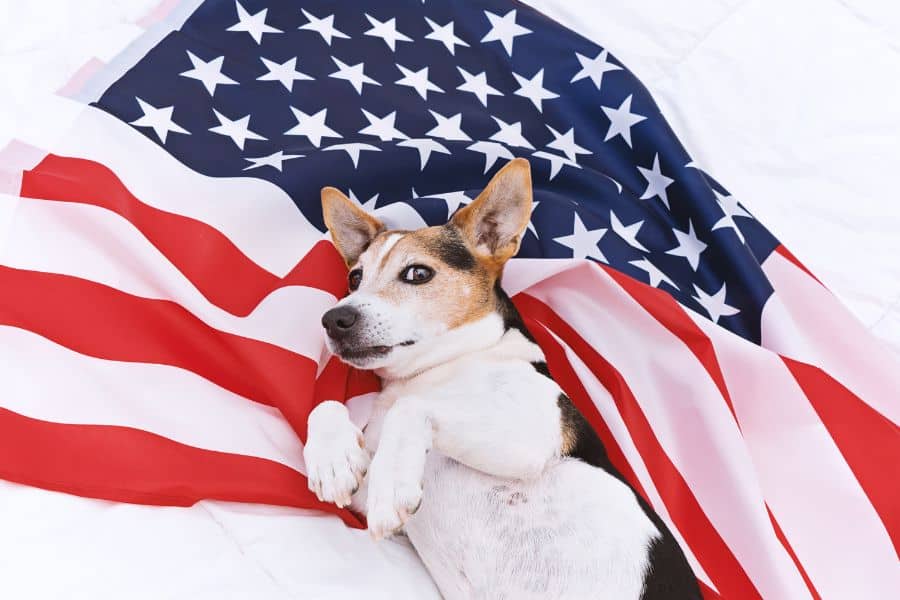
Fireworks are a memorable part of Independence Day celebrations, yet they can become one of the most stressful experiences for many pets. Loud sounds, bright flashes, and unfamiliar activity often leave dogs and cats feeling frightened or overwhelmed.
Planning gives you time to understand your pet’s behavior, discuss safe solutions, and create a calming environment before the holiday arrives. This guide explains how to recognize fireworks anxiety, prepare for your conversation with your veterinarian, ask the right questions, and support your companion before, during, and after July 4th.
Why Fireworks Anxiety Happens
Many pets have sensitive hearing that makes fireworks seem much louder than people realize. The explosions, vibrations, and flashes create fear because animals cannot predict what is happening. Some pets shake, hide, bark, pace, or refuse food. Others may try to escape through doors, windows, or fences.
Fireworks anxiety can affect pets of any age or breed. Some develop fear after one frightening experience, while others become increasingly anxious every Independence Day.
Signs Your Vet Needs to Know About
Before your visit, observe your pet. Write down behaviors that appear before, during, and after fireworks. Helpful details include:
Changes in Behavior
- Excessive panting or drooling
- Trembling or shaking
- Constant pacing
- Hiding for long periods
- Barking, whining, or meowing more than usual
Physical Reactions
Some pets refuse treats, lose interest in play, or have accidents indoors. Others scratch at doors or attempt to escape. Recording these reactions helps your veterinarian understand the severity of your pet’s fireworks anxiety.
How to Prepare Before the Appointment
A productive conversation starts with good preparation. Keep notes for several days leading up to your visit.
Bring information about:
- Previous reactions to fireworks
- Any calming products you have already tried
- Current medications or supplements
- Existing health conditions
- Videos of your pet’s behavior, if possible
This information helps your veterinarian recommend options that match your pet’s specific needs.
Questions to Ask Your Vet
Your appointment is the perfect opportunity to learn about safe ways to reduce fireworks anxiety.
1. Ask About Calming Options
Every pet responds differently. Ask whether your pet may benefit from calming treats, anxiety wraps, pheromone products, prescription medication, or behavior training.
2. Discuss Safety Plans
Ask how to keep your pet secure during fireworks displays. Your veterinarian can recommend practical steps that reduce the chance of escape or injury.
3. Understand Timing
Some calming methods work immediately, while others need several days or weeks before showing results. Knowing when to begin treatment helps your pet receive the greatest benefit before July 4th.
Creating a Calm Environment at Home
Your veterinarian may recommend combining medical guidance with home management strategies.
Choose a quiet room where your pet already feels comfortable. Close curtains to reduce flashing lights. Play soft music or white noise to lessen outdoor sounds. Keep favorite blankets, toys, and fresh water nearby.
Stay home whenever possible if your pet becomes extremely anxious. Your calm presence often provides reassurance during fireworks.
Common Mistakes Pet Owners Should Avoid
Many owners unintentionally increase stress by waiting until fireworks begin before seeking help. Scheduling a visit well before Independence Day provides more choices for managing fireworks anxiety.
Never give human anxiety medication unless your veterinarian specifically instructs you to do so. Some medications that are safe for people can be dangerous for pets.
Avoid forcing your pet outside to watch fireworks. Keep dogs leashed during bathroom breaks and ensure identification tags and microchip information remain current.
Building a Long-Term Plan
Fireworks anxiety often returns every year. Working with your veterinarian allows you to develop a plan that improves over time.
Behavior training, positive reinforcement, and gradual sound desensitization may help some pets become more comfortable with loud noises. Annual checkups also provide opportunities to adjust recommendations as your pet ages or experiences health changes.
If your pet struggles every July, do not assume the behavior is something they must simply endure. Many safe and effective solutions are available.
Remember that every pet responds differently. Open communication with your veterinarian creates a personalized strategy that supports your companion before the holiday begins. If your pet shows signs of distress, book an appointment early so there is enough time to prepare for a calmer and safer Independence Day.
Conclusion
Fireworks should be a celebration for families, not a frightening experience for pets. Early planning, careful observation, and honest conversations with your veterinarian can make a meaningful difference in your companion’s comfort. Preparing before July 4th gives you more options and reduces last-minute stress. If you’re located in East Meadow, consider connecting with East Meadow Veterinary Center, where compassionate care and a strong commitment to the community come together to support your pet’s health and well-being throughout the holiday season.
Frequently Asked Questions(FAQs):
1. When should I talk to my vet about fireworks anxiety?
A: Schedule an appointment at least two to four weeks before July 4th. Early planning gives enough time to discuss treatment options, try calming strategies, and make adjustments if your pet needs a different approach.
2. Can fireworks anxiety develop even if my pet was calm before?
A: Yes. Pets can develop fireworks anxiety at any age. A single frightening experience or increasing sensitivity over time may cause a previously relaxed pet to react with fear during Independence Day celebrations.
3. Are calming treats enough for severe fireworks anxiety?
A: Calming treats help some pets with mild stress. Pets experiencing severe fireworks anxiety may require additional support, including prescription medication, behavior modification, or other recommendations provided by your veterinarian.
4. Should I comfort my pet during fireworks?
A: Yes. Staying calm and offering reassurance is appropriate if your pet seeks comfort. Create a quiet, secure space and allow your companion to choose where they feel safest without forcing interaction.
5. What information should I share with my vet?
A: Describe your pet’s behaviors, when anxiety starts, how long it lasts, previous treatments, current medications, health history, and any videos showing reactions. Detailed information helps your veterinarian recommend suitable solutions.
6. Can fireworks anxiety be prevented in young pets?
A: Early socialization and gradual exposure to controlled sounds may reduce future fear in some pets. Regular conversations with your veterinarian also help identify concerns before fireworks anxiety becomes more serious.