535 East Meadow Ave, East Meadow, NY 11554

Your Guide to Ear Infections in Dogs

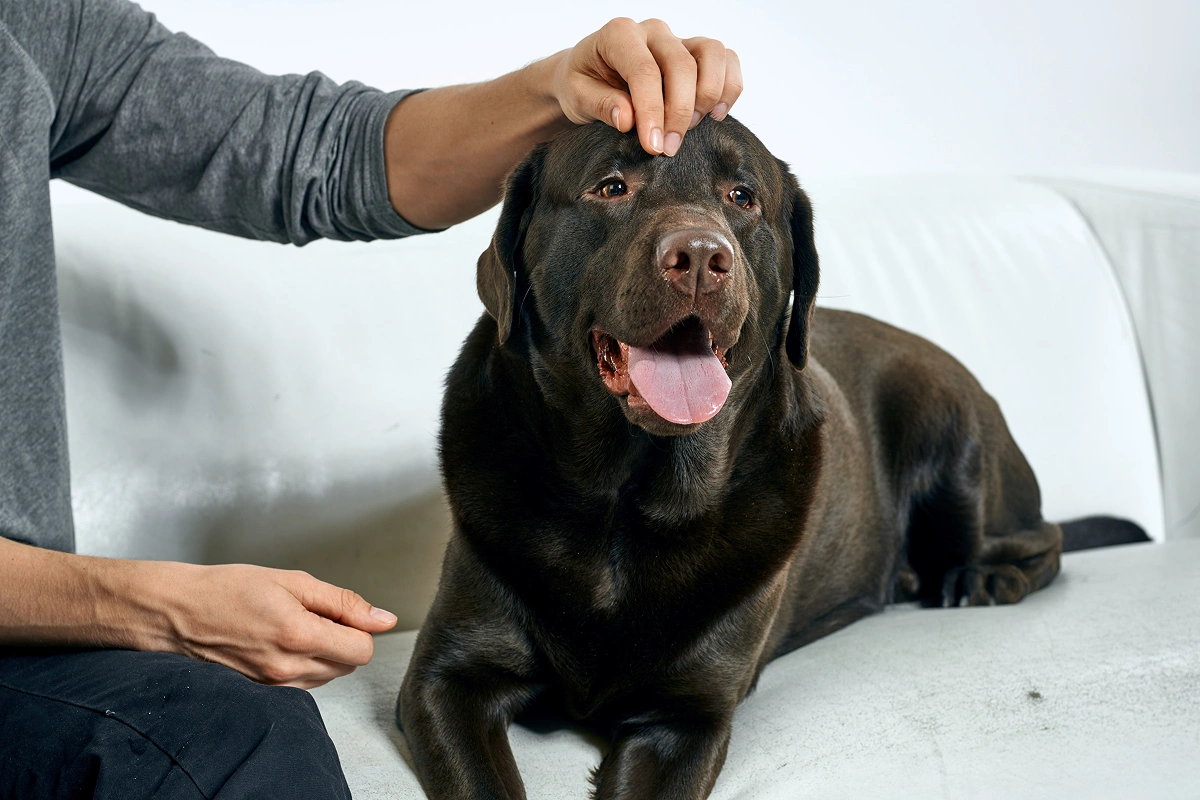
Ear infections are all too common in dogs.
Did you know that one in five dogs suffers from ear infections? That means that 20 percent of dogs deal with itchy, painful and downright uncomfortable ears. Because ear infections are so common in dogs, it’s important that dog owners know how to treat them, what causes infections in the first place and how to treat them. That’s why we’ve come up with this guide on ear infections in dogs.
How do you know when your dog has an ear infection?
No matter how close of a relationship you have with your dog, or how deep your connection is, your dog can’t come right out and tell you when there is a problem — no matter how much they might want to. As a dog owner, it’s important to keep a vigilant eye on your dog to watch out for any sign of an ear infection. Here are a few signs that indicate ear infections in dogs:
- Head shaking
- Scratching
- Odors from the ear
- Pawing or whining at the ear
- Swelling or redness
- Discharge from the ear
- Scaly skin
If you’ve noticed any of these signs, schedule an appointment with your veterinarian in South Bellmore. The necessary treatment option will be determined by the cause of the ear infection.
What causes ear infections in dogs?
There are many different things that can cause a dog’s ear or ears to become infected, and the proper treatment option can only be determined once the cause of the ear infection is determined. Here are a few of the most common causes of ear infections in dogs:
- Allergies – Allergies are, by far, the most common cause of ear infections in dogs. In fact, it’s thought that about 80 percent of dogs with food sensitivities and 50 percent of dogs with allergic skin disease also develop ear infections. Cocker Spaniels, West Highland Terriers and Labrador Retrievers are a few breeds that commonly develop allergy-related ear infections, but they can happen to any dog.
- Moisture – If your dog regularly swims or is groomed or bathed often, the cause of their ear infection could be related to moisture getting trapped inside the ear. This makes the ideal breeding ground for bacteria to grow, causing an infection.
- Breed Predisposal – Some dog breeds are more predisposed to ear infections than others. Some dog breeds have ear canal structures that trap in moisture. Other breeds may have thick hair in the ear or low airflow to the ear, which also makes them predisposed to infections. Basset Hounds, Springer Spaniels and Beagles are a few breeds that are predisposed to ear infections due to the structure of the ear canal or thick ear hair.
Although these are a few of the main causes of ear infections in dogs, they can be caused by everything from viruses to foreign bodies in the ear to wax buildup.
Stay tuned to learn about treatment and prevention.
Now that you know how to spot the signs of ear infections in dogs, as well as what causes them, it’s time to learn how to treat and prevent them. Please stay tuned for our next blog to learn about the treatment and prevention of ear infections in dogs, and don’t hesitate to contact us if you think your dog might have an ear infection.
With roughly one in five dogs suffering from ear infections, it’s important for dog owners to know a little bit about them.
There are approximately 78 million dogs living with families in the United States, and almost 20 percent of them have to cope with painful, itchy and downright uncomfortable ear infections. We all love our dogs. For many dog owners, dogs are more than just pets — they’re family. No one wants to see their dog suffering from an ear infection, and that’s why the team at East Meadow Veterinary Center has come up with this guide on ear infections in dogs. If you haven’t already, check out part one of this series to learn how to spot the signs of ear infections and what causes them. Keep reading part two to learn about how to treat and prevent ear infections, as well as the dangers of leaving them untreated.
How are ear infections in dogs treated?
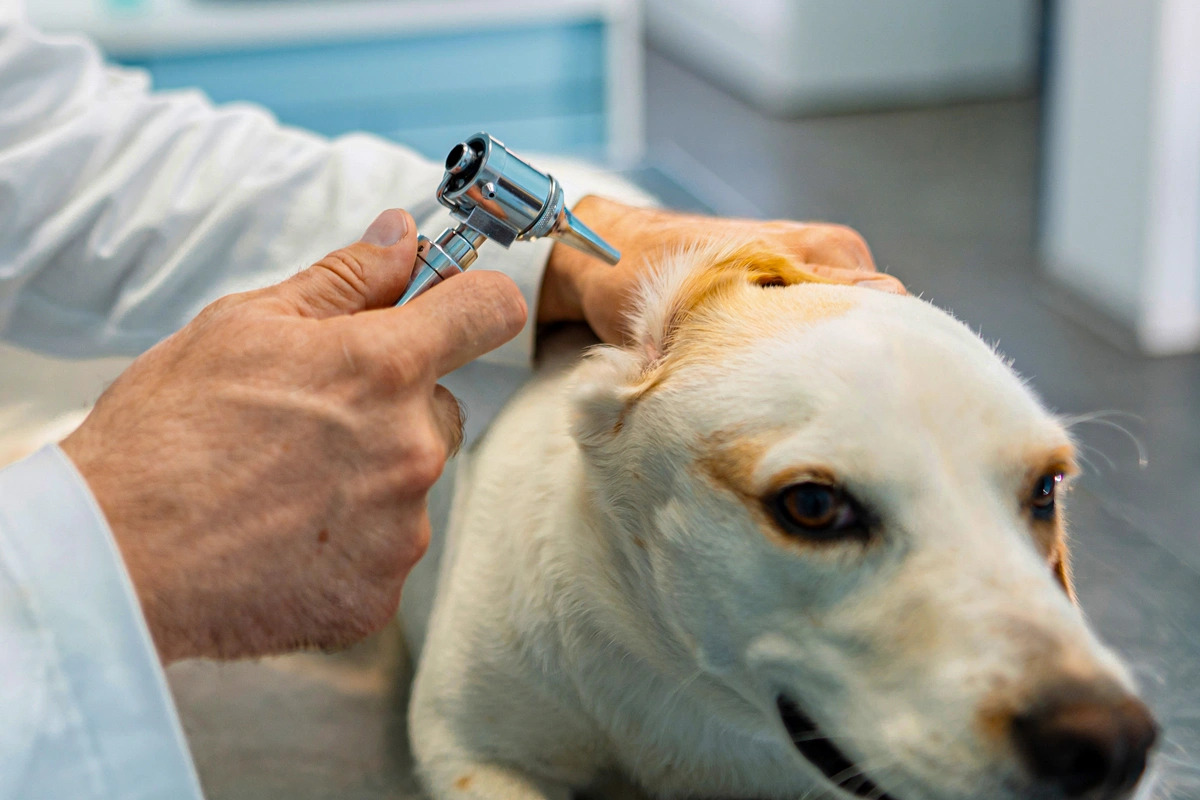
In most cases, the best recourse for an ear infection is to clean the ears out with a gentle cleanser. This helps to remove the bacteria that caused the infection in the first place. Antimicrobials are often prescribed, as well, to help fight off the bacterial infection. However, not all ear infections are the same, and if your dog’s infection is debilitating or severe, they might need to be kept for treatment for the night or even a few days, and they may also be assessed for neurologic symptoms.
As we mentioned in our last blog, there are many things that can cause an ear infection in dogs, and while the above method is the general treatment option, the underlying cause of your dog’s infection may require another treatment option. For example, if a foreign object is stuck inside your dog’s ear, using an ear rinse probably won’t do the trick. That’s why it’s always important to take your dog to the veterinarian when they have an ear infection instead of trying to deal with it yourself.
How do you prevent ear infections?
Just as treatment methods will vary, depending on what has caused the infection in the first place, prevention methods can also vary. For example, if a buildup of wax or bacteria commonly causes ear infections in your dog, using a gentle rinse regularly can keep their ears clean and free of bacteria. However, if your dog’s allergies are causing ear infections, then identifying the allergen and eliminating it from their food or environment will help to prevent ear infections.
Why you shouldn’t ignore an ear infection.
When your dog has an ear infection, you can’t just ignore it and hope it goes away. Left untreated, an ear infection is just going to get more severe, and if you let it run its course for too long, it can cause lasting damage. Not only can the infection itself be dangerous for your pup, but it the itching and pain it causes your dog can drive them nuts. They could also potentially hurt themselves by scratching or pawing at the ear.
If you think your dog might have an ear infection, schedule your appointment with East Meadow Veterinary Center today.