535 East Meadow Ave, East Meadow, NY 11554

Cancer Prevention Tips for Your Cat

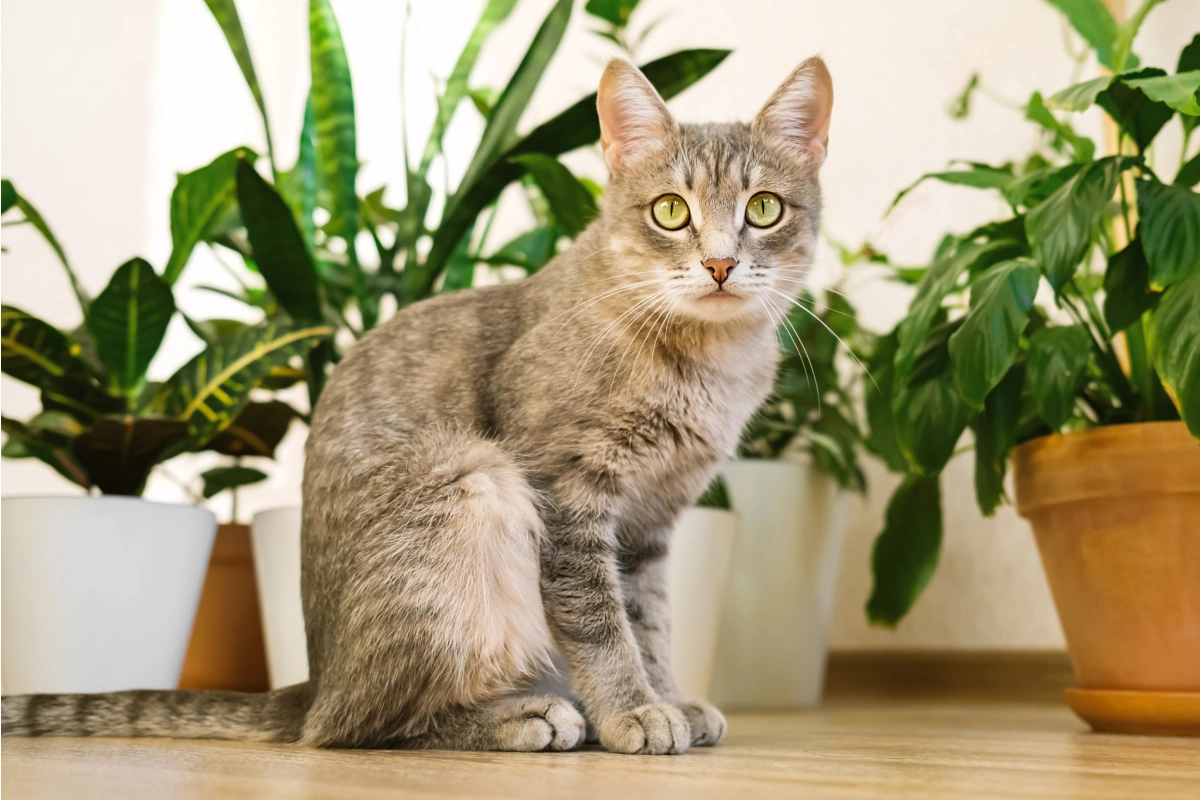
The last thing any cat owner wants to hear is a cancer diagnosis for their cat.
Although cancer in cats isn’t as common as it is in people or dogs, cats still can get cancer, and many are diagnosed every day. Cancer in cats also tends to be more aggressive, and it can be expensive to treat. As with any diagnosis, prevention is ideal, and while some cases are genetic and can’t be prevented, there are some things that you can do to reduce your cat’s risk for getting cancer. The following is a list of tips from our veterinarian in Levittown to help prevent cancer in cats:
#1. Spay your female cat.
Not only does spaying your cat help us keep the cat population under control, if you do so at a young age, it can also nearly eradicate your cat’s risk of developing breast cancer. Cats that are spayed at a young age, preferably prior to their first heat cycle, have a significantly lower chance of developing breast tumors or mammary cancer.
#2. Provide a high-quality diet for your cat.
Cancer prevention is just one of the many reasons to feed your cat a high-quality diet. A healthy diet will help to boost your cat’s immune system and maintain their health so that they are able to fight off disease more effectively. There is also evidence that suggest that fatty acids, DHA and EPA, may help to prevent feline cancer.
Would you like to learn about more cancer prevention tips for your cat? If so, please stay tuned for our next blog.
The most effective and affordable way to deal with feline cancer is to prevent it.
Cancer isn’t as common in cats as it is in dogs or people, but cats are still diagnosed with cancer all the time. And while some cats are genetically predisposed to cancer, there are certain steps you can take to help prevent cancer in your cat. In our last blog, our veterinary clinic in North Merrick went over a couple of tips for preventing feline cancer. Keep reading to learn about more ways to help prevent cancer in cats:
#3. Reduce your cat’s exposure to second-hand smoke.
Just as second-hand smoke can increase a person’s risk for getting cancer, it can be a contributing factor in the development of cancer in cats as well. Avoid exposing your cat to second-hand smoke by not smoking around your cat.
#4. Be mindful about the lawn chemicals you use.
Studies have shown that pesticides and herbicides can cause cancer in both dogs and cats. Unfortunately, it’s not enough to simply keep your pet inside, as these chemicals can be tracked inside. Ask a local landscaper about safer, more natural ways to keep pests and weeds out of your lawn and garden.
#5. Make regular veterinary appointments a priority.
Some common feline diseases, like feline immunodeficiency and feline leukemia virus, have been identified as potential causes of cancer in cats, and the only way to be sure that your cat doesn’t have these diseases is by visiting your veterinarian! If your cat does end up getting cancer, visiting the vet regularly will help to detect the cancer early, which gives us the best chance to treat their cancer.