535 East Meadow Ave, East Meadow, NY 11554

Your Guide to Caring for Your First Kitten

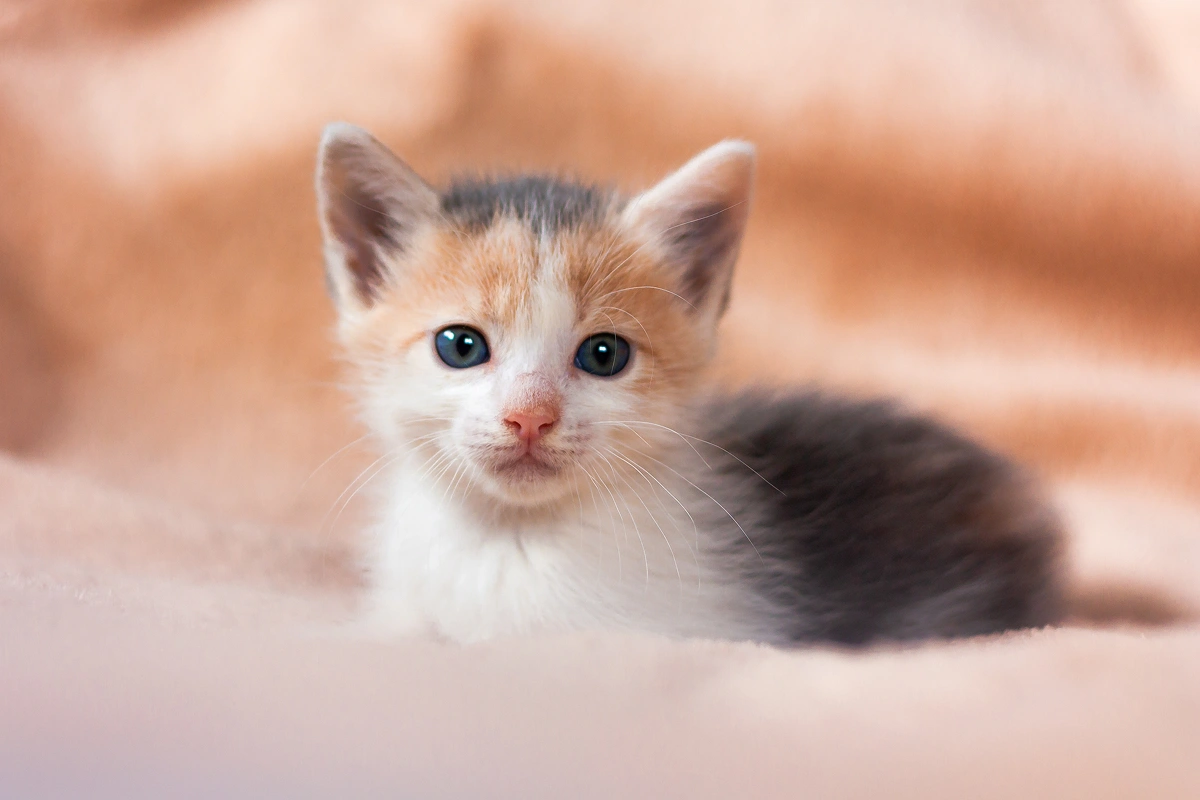
There’s nothing like owning your first kitten!
Bringing home a fluffy, purring bundle of joy is unlike anything else, and you have many years of fun and cuddles ahead of you. Kittens are completely helpless and they will rely on you for absolutely everything. Caring for a new kitten is a big responsibility, but we think it’s well worth the effort! At East Meadow Veterinary Center, we are dedicated to helping you raise happy, healthy pets, and that is why our veterinarian in North Merrick has come up with the following guide on caring for your fist kitten:
What should you buy to prepare for your new kitten?
- Food and water bowls – There are many options out there for food and water bowls. You could choose inexpensive plastic bowls, pottery bowls, automatic bowls and you can even find drinking fountains! Your best bet is to start out with something small and simple to begin with.
- Cat food – Look for a high-quality cat food that is made for kittens. It is always a good idea to talk to the person who has previously cared for your kitten so that you can feed them something that they are already used to. If you need more guidance on what to feed your new kitten, ask your veterinarian for recommendations.
- Litter box and litter – There are countless litters and litter boxes available for you to choose from, there are even self-cleaning options! Avoid clumping litters while your cat is still young and consider getting an uncovered litter box to make training easier.
Want to learn about more supplies you will need for your first kitten? If so, please stay tuned for our next blog!
Caring for your first kitten is a big responsibility!
Many people think that cats are easy to care for, and while an older cat may value their independence, kittens rely on you for almost everything. That is why, in our last blog, our veterinary clinic in North Bellmore gave you part one of your guide to caring for your first kitten. Keep reading to learn more!
What should you buy to prepare for your first kitten?
- Cat carrier – Kittens tend to be nervous and they don’t often like to sit still, which can make your first trip to the vet a bit of a challenge. That is why having your own cat carrier is a great idea. Your kitten may not enjoy being in the carrier, but at least you will have the peace of mind in knowing that they aren’t getting stuck under the seat or getting into anything while you are driving to the vet.
- Scratching posts – Scratching is a normal cat behavior, and if you don’t provide your kitten with adequate scratching surfaces, like scratching posts, you are much more likely to find them scratching up your furniture.
- Cat bed- While it’s tempting to sleep with your new kitten, it is much safer to put them in a cat bed while they are young and have a tendency to wander off and get into trouble. You don’t have to buy anything fancy, you could even just put a blanket in a cardboard box.
- Toys – One of the best parts about owning a kitten is how playful they are! Playing with your kitten is a great way to bond, plus toys will help to keep them out of trouble.
Now that you know what supplies you will need for your new furball, it is time to learn about how to keep your kitten healthy. Stay tuned for our next blog to learn more!
Have you had a chance to read our last blog yet? If you have, then you already know about all of the equipment that you need to purchase in order to care for your new kitten properly. Having the right gear is just one step to being a successful mom or dad to a kitten. There are many things you will in to do in order to keep your kitten healthy and happy, and that is where our veterinarian in Levittown comes in. The following is a list of tips for caring for your first kitten:
#1. Make the most out of your first visit with the veterinarian.
When you get a new pet, it is always a good idea to get them checked out by a veterinarian as soon as you can. Not only will a veterinarian be able to examine your kitten to make sure that they are in good health, your veterinarian will also give you a deworming and vaccination schedule. Your first appointment is also a good time to ask about what you should feed your kitten, talk about spaying or neutering your kitten and it is always a good idea to learn about early warning signs of illness to watch out for.
#2. Start training your kitten.
The belief that kittens can’t be trained is simply untrue. In fact, kittens who are trained tend to be happier and have better relationships with their owners. It is important to remember that kittens are food motivated, so be sure to keep plenty of tasty treats around when you are attempting to train your kitten.
#3. Be diligent about keeping an eye on your kitten.
Kittens tend to be curious, which can easily get them into trouble. Over time, your kitten will learn about what is dangerous and what is safe, but until then, make sure that you diligently watch out for your kitten.