535 East Meadow Ave, East Meadow, NY 11554

Feeding Your Cat to Prevent Diabetes Mellitus

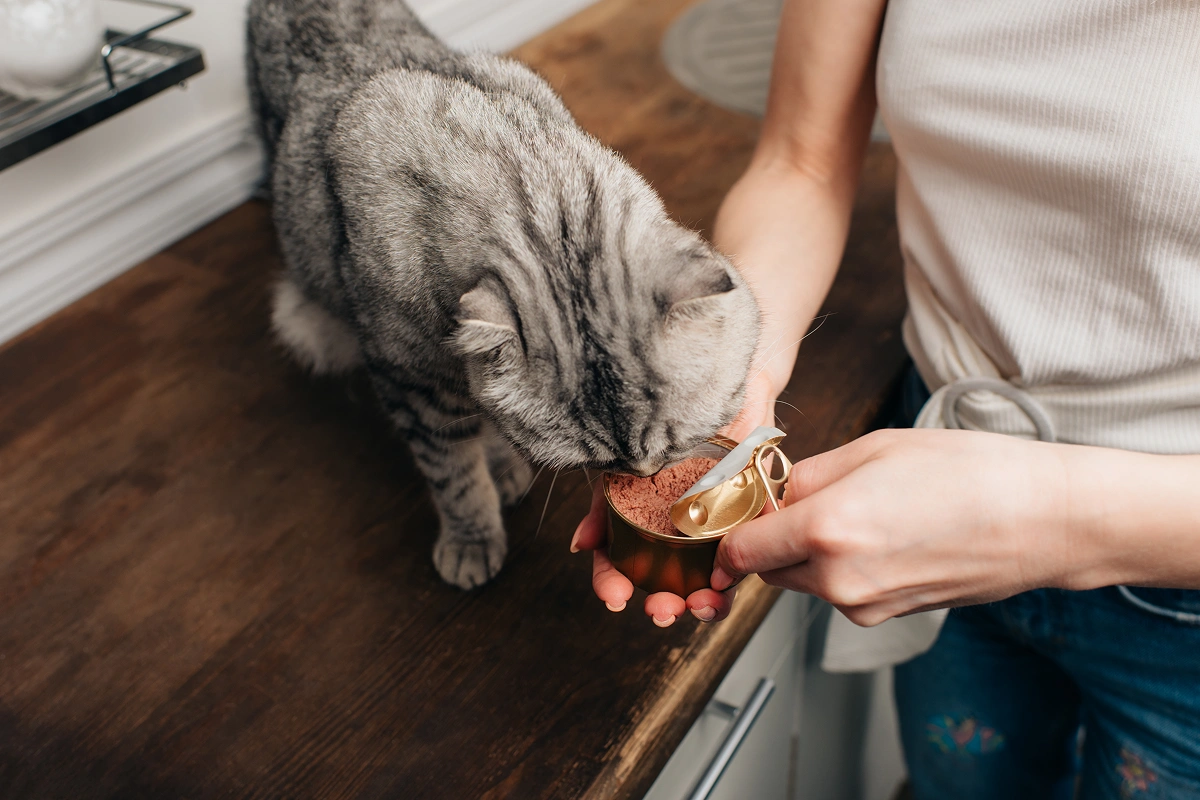
Diabetes mellitus in cats is a growing problem.
As much as 2% of the cat population is afflicted with diabetes mellitus, but experts say that it is a very under-diagnosed disease. Diabetes mellitus is marked by a cat’s inability to produce enough insulin to balance out the level of glucose in the blood. Some medications, pancreatitis, Cushiong’s syndrome and genetics are all causes of diabetes mellitus in cats, but one of the biggest risk factors is obesity. That is why our veterinary clinic in North Bellmore has come up with the following guide on how to feed your cat to prevent diabetes:
Feed your cat the right kind of food.
You can find all kinds of things in your everyday cat food that your cat doesn’t actually need, including carbohydrates. Cats can use carbohydrates to generate energy, but cats are primarily carnivorous, and their bodies are NOT designed to handle a diet that is high in carbohydrates. In fact, if you give your cat too many carbohydrates, it can cause them to become insulin resistant.
Instead of food that is high in carbohydrates, you should look for food that is high in protein and has a moderate amount of fat. This kind of diet is an effective preventative measure that can help to stave off both insulin resistance and diabetes in high-risk cats. In general, dry cat food tends to have a lot more carbohydrates than canned food. Just keep an eye out on the ingredients in the canned food, because some brands can have more carbohydrates than you might think.
Now that you know what kind of food to look for to prevent diabetes in your cat, stay tuned for our next blog to learn about how much food you should be giving your cat.
Have you had a chance to read our last blog yet? If you have, then you already know a bit about diabetes mellitus in cats and what kind of diet you should feed your cat to prevent it. To recap, our veterinarian in Levittown talked about how a diet high in carbohydrates can lead to insulin resistance in cats. A great option for cats is a diet that is high in protein and contains a moderate amount of fat. The kind of food that you feed your cat is just one thing that you should consider when it comes to preventing diabetes mellitus through diet. The other big factor to consider is the amount of food you give your cat.
How much should you feed your cat?
As we mentioned in our previous blog, obesity is a probably the biggest risk factor when it comes to the development of diabetes mellitus. Even if you feed your cat an ideal diet, feeding your cat too much can still hurt them.
There are many factors to consider when determining how much you should feed your cat. Metabolic rate, exercise, health status and ambient temperature are just a few of the things that you should take into consideration. Luckily, there’s an easier way. When your cat is young, the goal should be to maintain their slim body. Once your cat has reached maturity, weigh them monthly, as this will help you to figure out exactly how much you should be feeding them. If you need help determining just how much you need to feed your cat, don’t hesitate to ask your veterinarian!
Keep in mind that obesity and diet aren’t the only risk factors when it comes to the development of diabetes, but they are incredibly important.