535 East Meadow Ave, East Meadow, NY 11554


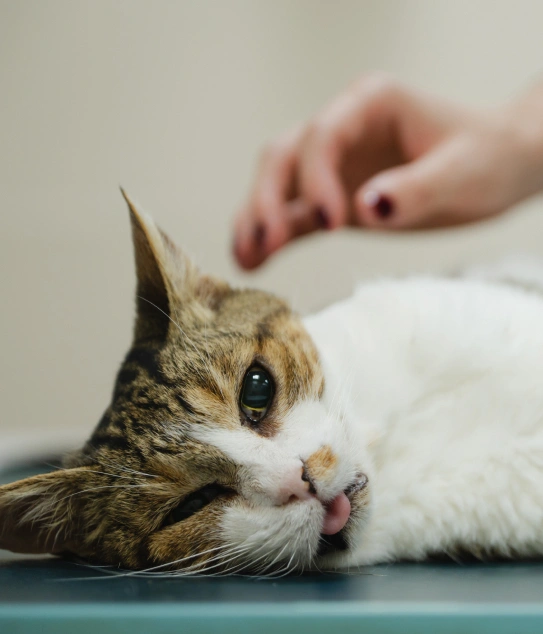
Professional Pet Anesthesia Monitoring
We employ the use of anesthesia for many types of diagnostic and surgical procedures. Just as in people, anesthesia is needed for major surgical procedures. Unfortunately in veterinary medicine, we need to use anesthesia for many “smaller” procedures as well, such as dental treatments, skin tumor removals, orthopedic radiographs, etc. This is due to the fact that when treating animals, unlike most human patients, they do not understand what is being done and will not tolerate many procedures which can be performed very easily in people. Some surgical procedures are longer and more complex than others, and the anesthetic protocol used may be a bit different depending on the specific indication for its use. However, there is always some risk to the patient being anesthetized, no matter how “small” the procedure. As such, we take many precautions before, during, and after its use in any patient.
Prior to planned anesthesia a physical examination is performed and pre-anesthetic lab testing is done. The organ systems we are most concerned with are the cardiovascular, respiratory, renal (kidneys), and hepatic (liver). The cardiovascular and respiratory systems are important for the maintenance of blood pressure and tissue oxygenation, both during and after surgery. The kidneys and the liver are responsible for the excretion and metabolism of many drugs that are used during the anesthetic period, and it is preferable that they are working at full capacity. If there are any problems noted during the exam and/or the lab testing, a change in the anesthetic protocol will be made, further testing may be recommended, or the procedure postponed.
If the pre-anesthetic testing is normal, the procedure can be scheduled. The day of the procedure you will be instructed to withhold food for at least 12 hours prior to admission. Once admitted, your pet will receive analgesics (pain medications) in anticipation of surgical pain, a tranquilizer (as most animals will be, understandably, very nervous), and intravenous fluids are started. Once your pet is anesthetized they are monitored for heart rate, EKG, blood pressure, body temperature, pulse oximetry, and carbon dioxide levels. In addition to warm IV fluids, a warming blanket is placed in order to maintain body temperature. The monitoring of your pet will continue after the end of the procedure until your pet is fully awake.
PAIN MANAGEMENT
The recognition, anticipation, and treatment of pain in animals has made great strides over the last few decades. We take great pride in the treatment of pain in both surgical and non-surgical patients at the East Meadow Veterinary Center. We are aware that for most of our pets, being left at the practice for a procedure is a stressful event (as it would be for anyone!). We also are certain that, for surgical procedures, induction of pain resulting from the surgery can be anticipated. Management of anxiety and surgical pain has major benefits for the patient before, during, and after a surgical procedure. By addressing anxiety through the administration of tranquilizers/sedatives prior to the procedure, placement of the IV catheter is easier and less induction anesthetics are needed. There is also some evidence from work done in people that the use of these agents causes some degree of memory loss of the surgery, which makes future visits to the practice less stressful for the patient. In addition to the sedatives, analgesics (pain medications) are started as well. Usually there are multiple types of medications given. Each medication addresses a different aspect of the pain pathways in the body, resulting in lower amounts of each drug given, with better pain relief and less side effects. While in surgery we employ a few novel approaches to pain relief. We administer analgesics throughout the duration of the procedure with a technique called CONSTANT RATE INFUSION (CRI). This is when very small amounts of pain medications are given slowly intravenously with a device known as an infusion pump. In addition to providing pain relief, a HUGE benefit is that much lower concentrations of inhalant anesthetic is needed to maintain anesthesia during the surgery. Added to many procedures (most notably dental procedures) is the use of LOCAL ANESTHETICS. By “numbing” the areas we are traumatizing with surgery, we can also use less inhalant anesthetics. The inhalant (or gas) anesthetics can be the most dangerous if used at higher concentrations, therefore everything that we use before and during the procedure is to lessen the need for its use and provide comfort for our patients in the post operative period. Of course, pain management is continued post-operatively.