535 East Meadow Ave, East Meadow, NY 11554
Is it Time to Switch Cat Foods?

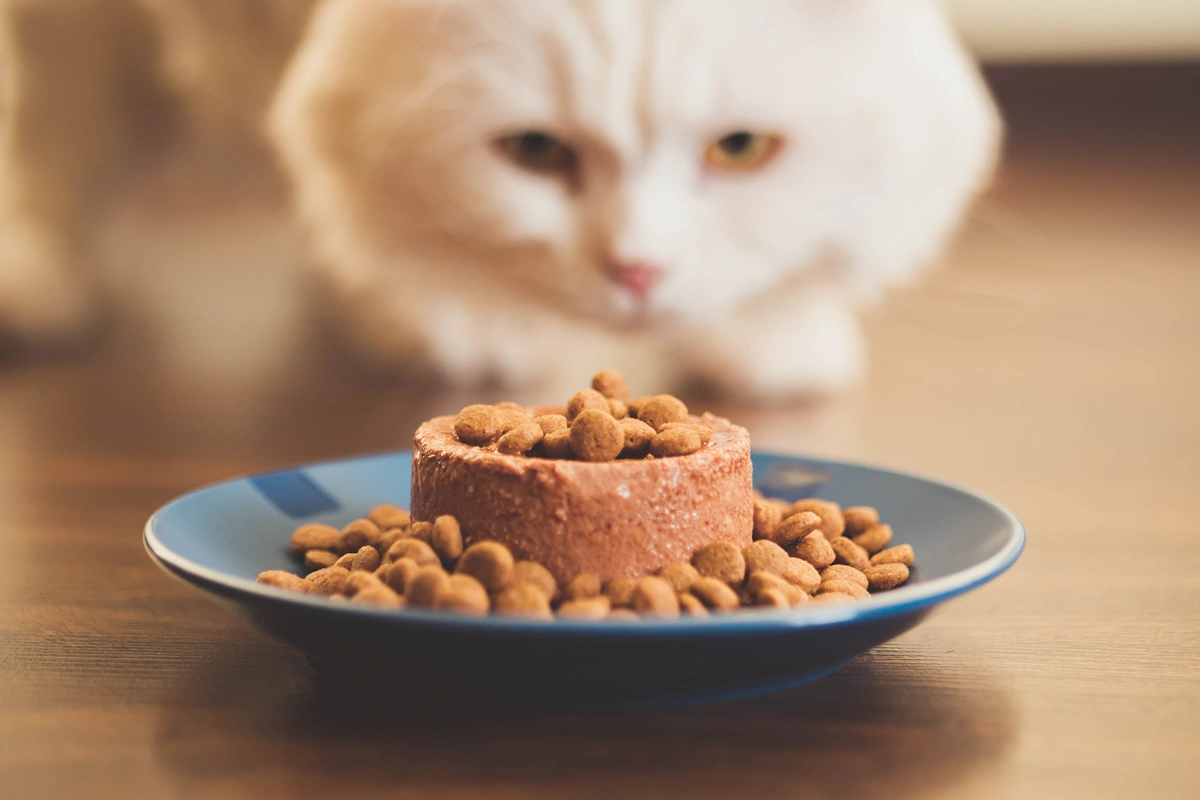
Did you know that your cat’s dietary needs can change?
Cats, just like people, have dietary needs that can change and evolve. Age, activity level and overall health can all be factors in your cat’s changing dietary needs. However, many cat owners don’t realize that they need to change their cat’s food, and this can prevent your cat from getting all of the nutrients he or she needs. So, how do you know if it is time to switch your cat’s food? The following is a list of signs from our veterinary clinic in North Merrick that you need to change your cat’s food:
#1. New Life Stage
Cats go through three main life stages: kitten life stage, adult life stage and senior life stage. When your cat enters a new life stage, it’s important to talk to your veterinarian about their dietary needs. While almost all kittens are fed food that promotes growth, adult and senior cats have varying needs and issues, and your veterinarian will be able to help you find food that will work for your specific cat.
#2. Flaky or Dull Coat
Diet plays a big role in keeping your cat’s coat healthy and shiny. If your cat’s coat is looking dull or flaky, you may want to think about switching to a cat food that contains healthy fatty acids, such as Omega-6 and Omega-3 fatty acids.
These are just a couple of the many signs that you need to switch cat foods. Would you like to learn more? If so, please stay tuned for our next blog.
How do you know when to change your cat’s food?
It’s not always easy to find the right food for your cat, and what makes the problem even more complicated is that your cat’s dietary needs change. What was a good diet for your cat when he or she was a kitten is probably not appropriate for your senior cat. Apart from age, there are many other signs that you need to change your cat’s food. Learn about a couple of those signs by reading our last blog. Here are a few more signs from our veterinary clinic in North Bellmore that you need to switch your cat’s food:
#3. Weight Gain
Almost 60 percent of cats are overweight, and this excess weight can lead to many other issues, including diabetes and heart problems. If you have noticed that your cat is gaining weight, then it is time to reconsider the food that you buy them. Ask your veterinarian for some other options to help your cat drop a few pounds.
#4. Your Cat is Itchy
Food is a very common cause of allergies in cats, and if you find that your cat is itchy, you may want to think about switching to a low-allergen food. Your veterinarian will be able to recommend a good option that will work for your cat’s specific needs.
#5. Gastrointestinal Issues
If your cat has loose stools, chronic flatulence or a rumbly stomach, it could be due to a food intolerance. In many cases, this comes from feeding your cat a low quality food, and the answer lies in simply switching to something higher quality. However, it is always a good idea to consult your veterinarian.