535 East Meadow Ave, East Meadow, NY 11554

Common Behavioral Issues in Cats and What to do About Them

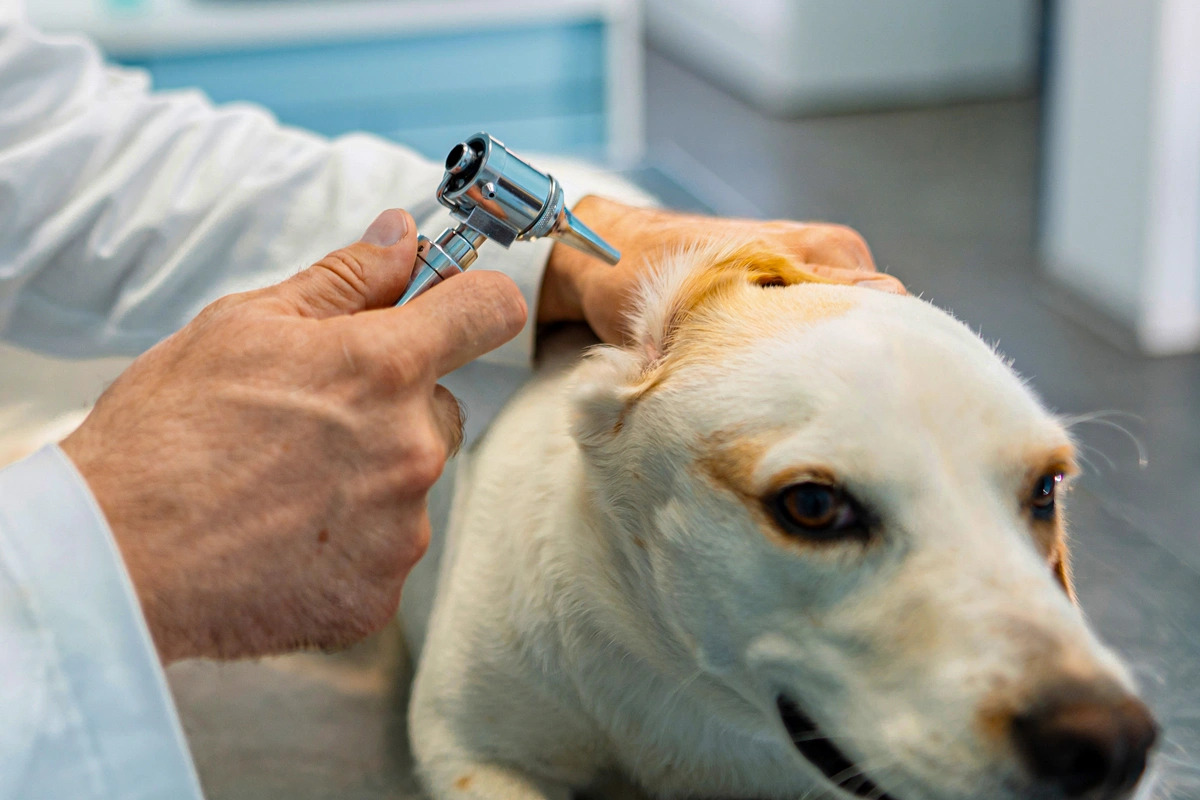
There are many behavioral issues that are common in cats, and our veterinarian in Levittown can help you deal with them.
If you feel that your cat has a behavioral problem, know that you are not alone. While some behavioral issues can be corrected through training, there are others that could indicate possible underlying medical problems. That’s why our veterinarian has come up with this list of common behavioral issues in cats and how to deal with them:
#1. Your cat won’t use the litter box.
There’s nothing more frustrating than having to clean up after a cat who won’t use his or her litter box! Here are a few things you can do to address the problem:
- Visit the vet – Urinary tract diseases, bladder stones and crystals in the urine could all be causing your cat to snub the litter box.
- Keep the box clean – If the litter box isn’t up to your cat’s standards, he or she isn’t likely to use it!
- Try out multiple types – Some cats will only go in covered litter boxes while others prefer open boxes. Try a few different types of boxes to find out what your cat prefers.
#2. Your cat scratches everything.
Cats scratch to mark their territory, play, release energy and more, but one of the most common reasons is to keep their nails healthy. Make sure that your cat has plenty of scratching posts available, and you can even dab a bit of catnip on them to make them more attractive to your furry friend.
Learn about more common cat behaviors and how to deal with them when you stay tuned for our next blog.
Did you know that some behavioral issues in cats could indicate underlying medical problems?
When cats start acting up, many owners chalk it up to poor training or simply a “bad cat,” but some cat behaviors that are less than ideal are actually a sign of an underlying medical problem that needs to be addressed by a veterinarian in North Merrick. Check out our last blog to learn about common cat behaviors that we’ve already addressed, and keep reading to learn how to deal with additional cat behaviors:
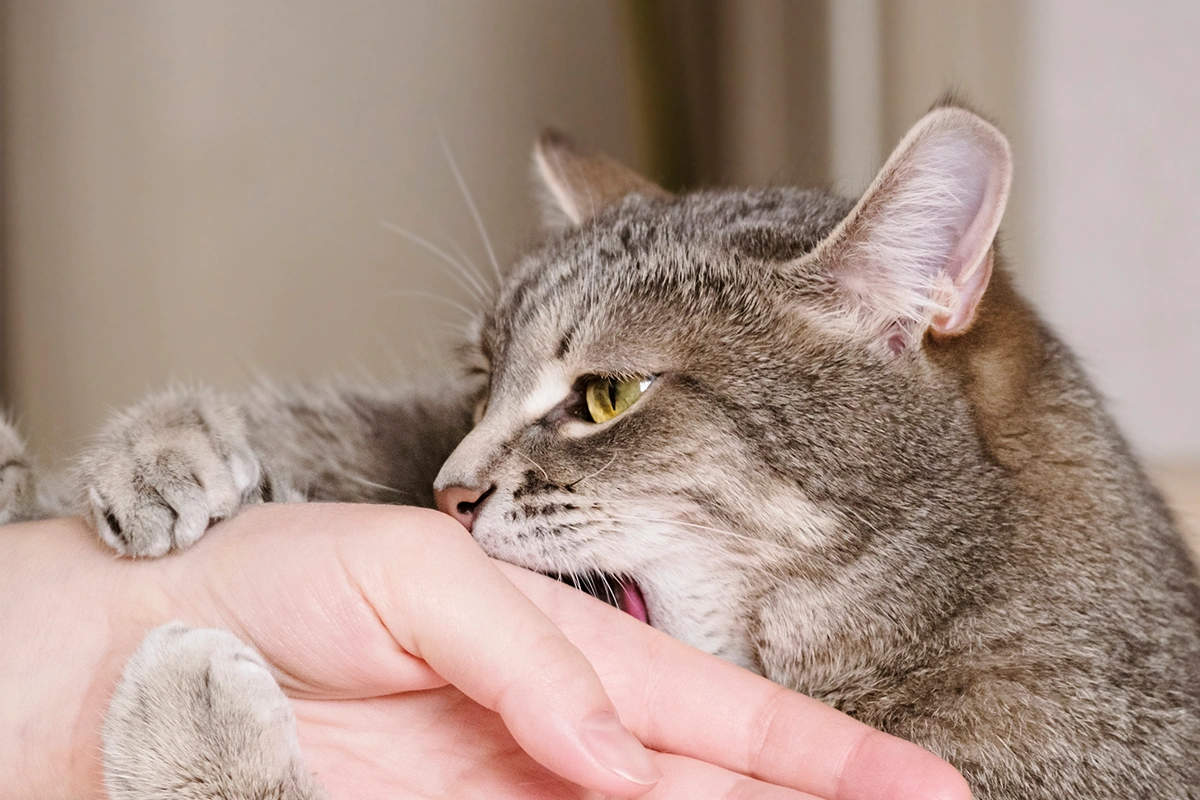
#3. Your cat is aggressive.
There are so many things that could be causing your cat’s aggressive behaviors. Here are a few things you can do about it:
- Talk to your vet – When your cat is sick or in pain, he or she may start acting out. Rule out any medical problems before you do anything else to address your cat’s aggression.
- Neuter your male cat – Male cats that aren’t fixed tend to be more aggressive.
- Make sure you have enough resources – If you have multiple cats and not enough beds, toys, food and water bowls, perches or litter boxes, it can lead to fighting and aggression.
#4. Your cat has been yowling.
If your cat has started to become more vocal, and he or she has been yowling or meowing loudly, here are a couple of things you can do:
- Get your cat fixed – When a cat is in heat, especially a female cat, they are likely to yowl or meow loudly to get the attention of potential mates.
- Visit the vet – If your cat is already fixed, then the yowling or meowing could be your cat’s way of telling you that something is wrong.
We have just a couple more common cat behaviors to go over with you, so please stay tuned for our next blog.
No cat parent wants to deal with behavioral issues, and luckily, our veterinarian in North Bellmore can help.
Whether your cat scratches, bites or meows at the top of his or her lungs, behavioral issues in cats aren’t always fun to deal with. However, some of these behavioral issues could be a sign that your cat needs medical attention, so it’s important to know what to do when your cat starts acting up. In our last blog, we went over a few of these behavioral issues, so be sure to check it out. Here is the last common behavioral issue in cats and what to do about it:
#5. Your cat has been keeping you up at night.
Owning a cat shouldn’t make you sleep deprived, but if your cat has been keeping you up, here are a few things you can do:
- Visit your vet – If your cat is overly agitated or active at night, it could be a sign that he or she is in pain.
- Enrich your cat’s environment – Make sure that your cat has plenty of ways to get his or her energy out during the day by enriching their environment with toys, scratching posts and more.
- Play before bed – Try wearing your kitty out with a good play session before you hit the hay.
- Feed your cat at night – Cats usually sleep best after a big meal, so try feeding your cat at night.
Any time your cat starts behaving abnormally, your first step should be to take him or her to the vet. If your cat is due for a visit, schedule your appointment today.